Understanding Māori Language (Te Reo): Revival & Importance

langerhanscellhistiocytosis.org – Te Reo Māori, the language of the Māori people, is a central component of New Zealand’s cultural identity. With its rich history and profound connection to Māori customs and traditions, Te Reo has endured centuries of change, from its near extinction to a resurgence as an official language of New Zealand. This article explores the revival of Te Reo Māori, its cultural significance, and the ongoing efforts to ensure its survival in the modern world.

The Origins of Te Reo Māori

Te Reo Māori is a member of the Austronesian language family, specifically the Eastern Polynesian branch. It is closely related to other Pacific languages, such as Tahitian and Hawaiian, reflecting the migratory history of the Māori people. As the indigenous language of Aotearoa (New Zealand), Te Reo was the language spoken by Māori communities for centuries, used in daily life, oral traditions, and rituals.

Historically, the language was passed down through generations via oral transmission, with elders teaching the young through storytelling, songs, and proverbs (whakataukī). This system of oral tradition helped preserve Māori history, genealogy (whakapapa), and cultural practices for centuries.

The Impact of European Colonization

The arrival of European settlers in the 19th century marked the beginning of significant disruption for Te Reo Māori. Missionary activity, the spread of Christianity, and the introduction of the English language led to the gradual decline of Māori language use. English became the dominant language in schools, government, and commerce, while Māori children were discouraged from speaking Te Reo, often facing punishment in schools for doing so.

By the early 20th century, Te Reo Māori had become endangered, with a sharp decline in speakers, particularly among younger generations. The loss of the language was a direct result of government policies aimed at assimilating Māori into European culture, such as the forced relocation of Māori communities and the removal of the language from formal and informal institutions.

The Revival of Te Reo Māori

The 20th century saw the beginning of efforts to revive Te Reo Māori, spurred by Māori activists, scholars, and cultural leaders. In the 1970s, the Māori language crisis reached a tipping point, with the number of fluent speakers rapidly diminishing. In response, Māori leaders launched campaigns to revitalize the language, stressing the importance of Te Reo as a key element of Māori identity.

The Māori Language Petition of 1972 was one of the most significant moments in the language revival movement. Over 30,000 Māori and non-Māori supporters signed the petition, urging the New Zealand government to take action to protect and promote Te Reo. The petition led to the establishment of the Māori Language Commission in 1987 and the declaration of Te Reo Māori as one of New Zealand’s official languages, alongside English.

In the years that followed, a number of initiatives were introduced to ensure the survival of Te Reo. Bilingual education programs, such as Kura Kaupapa Māori (Māori-language immersion schools), were established to teach young Māori children the language in a culturally supportive environment. The creation of Māori-language media outlets, including radio stations and television programs like Te Karere and Māori Television, helped raise awareness of the language and make it more accessible to a broader audience.

The Importance of Te Reo Māori

Te Reo Māori is much more than just a means of communication. It is deeply intertwined with Māori culture, spirituality, and worldview. For the Māori people, language is the key to understanding their identity, genealogy, and connection to the land. Through the language, Māori express their relationships to their ancestors, the natural environment, and their communities.

For example, Te Reo Māori has a unique structure that reflects Māori concepts of time, space, and kinship. The language’s emphasis on collective responsibility, whānau (family), and mana (prestige) reflects the social values that underpin Māori society. Understanding the language is therefore essential for understanding Māori cultural practices, such as haka (traditional dance), waiata (songs), and karakia (prayers), all of which are performed in Te Reo.

Te Reo is also an important tool for healing, particularly in the context of Māori mental health and well-being. Language revitalization provides Māori people with the opportunity to reconnect with their roots and build stronger cultural pride, self-esteem, and resilience. Speaking Te Reo fosters a sense of belonging and cultural continuity, allowing Māori to reclaim their identity after centuries of colonial suppression.

Efforts to Revitalize Te Reo Māori Today

While Te Reo Māori is no longer in immediate danger of extinction, its survival depends on ongoing efforts to promote its use and transmission across generations. Language revitalization continues to be a priority in New Zealand, with initiatives focused on increasing the number of speakers and encouraging young people to learn Te Reo.

Government support for Te Reo Māori has been integral to its revitalization. The establishment of Te Māngai Pāho, a government agency responsible for supporting Māori-language broadcasting, and the funding of language revitalization programs have provided a platform for Māori language and culture in the public sphere. Additionally, the inclusion of Te Reo Māori in schools, universities, and workplaces ensures that the language is integrated into modern New Zealand life.

The Māori language has also gained recognition in mainstream media, with celebrities, politicians, and public figures actively promoting its use. The rise of Māori-language apps, websites, and social media platforms has further facilitated learning and engagement with Te Reo, making it more accessible to a wider audience.

The Future of Te Reo Māori

The future of Te Reo Māori depends on its continued revival and use, not only within Māori communities but also in wider New Zealand society. As Te Reo Māori becomes increasingly integrated into education, business, and the arts, it is likely that the language will continue to thrive and evolve. However, the language’s success relies on the active participation of all New Zealanders in supporting its growth.

Young people are key to the future of Te Reo. Language immersion programs, as well as the use of Te Reo in daily life, will play an essential role in ensuring that the language continues to be spoken by future generations. By fostering an environment where Māori culture and language are respected and celebrated, New Zealand can ensure that Te Reo Māori remains a living, vibrant language for generations to come.

Conclusion

Te Reo Māori is a vital aspect of New Zealand’s cultural heritage, and its revival represents a broader movement of Māori empowerment, self-determination, and cultural resurgence. The language embodies the values, history, and worldview of the Māori people, making it an essential part of the nation’s identity. Through continued efforts to revitalize Te Reo, New Zealand can ensure that this precious language is preserved for future generations and remains a source of pride for all its people.

Nueva Esparta: Venezuela’s Caribbean Paradise

langerhanscellhistiocytosis.org – Nueva Esparta is a Venezuelan state comprised of several islands in the Caribbean Sea, most notably Margarita Island. Known for its pristine beaches, crystal-clear waters, and vibrant culture, Nueva Esparta has become a popular tourist destination.   

A Tropical Paradise

  • Margarita Island: The largest and most populated island in Nueva Esparta, Margarita Island is a tropical paradise with stunning beaches, lush landscapes, and historic towns.   

    • Playa El Agua: A beautiful beach with calm waters, perfect for swimming, sunbathing, and water sports.   
    • Playa El Yaque: A world-renowned windsurfing and kitesurfing destination, known for its strong winds and consistent waves.   
    • Pampatar: A charming colonial town with colorful buildings, narrow streets, and a historic fort.
    • Porlamar: The main commercial center of Margarita Island, offering a wide range of shopping and dining options.   
  • Coche Island: A smaller island known for its salt flats and beautiful beaches.   

  • Cubagua Island: A historical island with ruins of a Spanish colonial town and a pearl fishery.   

A Rich Cultural Heritage

Nueva Esparta boasts a rich cultural heritage, influenced by Spanish, indigenous, and African cultures. Visitors can experience traditional music, dance, and crafts, as well as sample delicious local cuisine.

A Diver’s Paradise

The crystal-clear waters surrounding Nueva Esparta offer excellent opportunities for diving and snorkeling. Divers can explore vibrant coral reefs, shipwrecks, and underwater caves, while snorkelers can admire colorful fish and marine life.

A Tropical Escape

Nueva Esparta is a perfect destination for those seeking a tropical escape. With its beautiful beaches, crystal-clear waters, and vibrant culture, it offers something for everyone. Whether you’re looking to relax on the beach, explore historic sites, or indulge in water sports, Nueva Esparta is sure to leave you enchanted.

Valle del Cauca: A Vibrant Colombian Region

langerhanscellhistiocytosis.org – Valle del Cauca, a department located in southwestern Colombia, is renowned for its vibrant culture, stunning landscapes, and delicious cuisine. Its capital city, Cali, is a bustling metropolis known for its passion for salsa dancing, its thriving music scene, and its warm and welcoming people.

A City of Music and Dance

Cali is often referred to as the “Salsa Capital of the World.” The city’s love for salsa dancing is evident in its many salsa clubs, dance schools, and festivals. The annual Feria de Cali, a week-long celebration of music, dance, and culture, is one of the most important cultural events in Colombia.   

Natural Beauty

Valle del Cauca boasts a diverse range of natural landscapes, from the Pacific coast to the Andean mountains. Some of the most popular natural attractions in the region include:

  • Valle del Cocora: A stunning valley filled with towering wax palm trees, the tallest palm trees in the world.
  • Parque Nacional Natural Farallones de Cali: A national park that offers opportunities for hiking, birdwatching, and camping.   
  • Bahía de Buenaventura: A beautiful coastal region with pristine beaches, perfect for swimming, sunbathing, and water sports.

A Culinary Delight

Valle del Cauca’s cuisine is a fusion of indigenous, African, and Spanish influences. Some of the most popular dishes include:

  • Sancocho de Gallina: A hearty soup made with chicken, potatoes, yucca, corn, and a variety of vegetables.   
  • Empanadas: Fried pastries filled with meat, cheese, or vegetables.   
  • Arepas: Corn cakes that can be filled with cheese, meat, or other ingredients.   

A Warm Welcome

The people of Valle del Cauca are known for their warm hospitality and friendly demeanor. Visitors to the region can expect to be welcomed with open arms and a genuine desire to share their culture and traditions. Whether you’re interested in exploring the city’s vibrant culture, immersing yourself in nature, or simply relaxing on the beach, Valle del Cauca has something to offer everyone.

Cotopaxi: A Majestic Andean Volcano – A Fiery Giant

langerhanscellhistiocytosis.org – Cotopaxi is one of the highest active volcanoes in the world, rising to a height of 5,897 meters (19,347 feet). Located in the Ecuadorian Andes, it is a stunning natural wonder, known for its perfect conical shape and dramatic eruptions.

A Geological Marvel

Cotopaxi is a stratovolcano, characterized by its steep slopes and frequent eruptions. The volcano’s summit is capped by a glacier, which can be seen from afar, creating a striking contrast against the blue sky. The surrounding landscape is a mix of volcanic ash, lava flows, and lush vegetation.

A Force of Nature

Cotopaxi has a long history of eruptions, with some of its most significant events occurring in the 19th and 20th centuries. These eruptions have shaped the surrounding landscape, creating fertile valleys and unique ecosystems. Despite its potential danger, Cotopaxi continues to attract visitors from around the world who are drawn to its majestic beauty and the thrill of exploring its slopes.

A Paradise for Adventurers

For experienced mountaineers, Cotopaxi offers a challenging and rewarding climb. The ascent typically involves navigating glaciers, steep slopes, and exposed ridges. The summit offers breathtaking panoramic views of the Ecuadorian Andes, including other iconic volcanoes like Antisana and Cayambe.

A Protected Ecosystem

Recognizing the ecological and cultural significance of Cotopaxi, the Ecuadorian government has designated the area as part of the Cotopaxi National Park. This protected area helps to conserve the volcano’s unique biodiversity and ensure the sustainability of local communities.

Cotopaxi, with its perfect cone shape, dramatic eruptions, and stunning landscapes, is one of the most iconic volcanoes in the world. Its allure continues to captivate visitors and inspire awe in all who behold its majesty.

Murcia: A Hidden Gem in Southeastern Spain

langerhanscellhistiocytosis.org – Murcia, a region in southeastern Spain, is a hidden gem that offers a unique blend of history, culture, and natural beauty. Its capital city, Murcia, is a charming city with a rich history and a vibrant atmosphere.

Murcia City: A Blend of Old and New

Murcia City, the capital of the region, is a fascinating city with a history dating back to Roman times. Its historic center is a maze of narrow, winding streets lined with beautiful churches and palaces.

  • Must-See Attractions:
    • Catedral de Santa María: A stunning Gothic cathedral with a beautiful Baroque facade.
    • Real Casino de Murcia: A historic casino with a beautiful interior and a stunning courtyard.
    • Plaza de Santo Domingo: A lively square surrounded by historic buildings and cafes.
    • Huerto de Calatrava: A beautiful park with a diverse range of plant life.

The Costa Cálida: Sun, Sea, and Sand

Murcia’s coastline, known as the Costa Cálida, is a popular tourist destination with stunning beaches, crystal-clear waters, and a warm, Mediterranean climate.

  • Must-Visit Beaches:
    • Playa de La Manga del Mar Menor: A long, sandy beach that separates the Mar Menor lagoon from the Mediterranean Sea.
    • Playa de Calblanque: A beautiful natural beach with crystal-clear waters and stunning dunes.
    • Playa de Cabo Roig: A popular beach with a wide range of water sports and beach bars.

The Interior: A Land of Castles and Vineyards

The interior of Murcia is a land of castles, vineyards, and stunning natural landscapes.

  • Must-See Attractions:
    • Cartagena: A historic city with Roman ruins, medieval castles, and a beautiful harbor.
    • Jumilla: A wine-producing region known for its excellent wines, particularly Monastrell.
    • Yecla: A town famous for its furniture industry and its historic center.

Murcia is a region that offers a diverse range of experiences, from relaxing on the beach to exploring historic cities. Its warm climate, friendly people, and delicious cuisine make it a perfect destination for a holiday.

Timiș: A Cultural Melting Pot in Western Romania

langerhanscellhistiocytosis.org – Timiș, a county nestled in western Romania, is a region rich in history, culture, and natural beauty. Known for its diverse ethnic groups, picturesque landscapes, and vibrant cultural traditions, Timiș offers a unique blend of Romanian, Hungarian, and German influences.

A Glimpse into the Past

The county’s history stretches back to ancient times, with evidence of human settlement dating back to the Neolithic period. The region was inhabited by various cultures, including the Dacians, Romans, and Hungarians, each leaving their mark on the local landscape and culture. The Roman Empire established several important settlements in Timiș, including Drobeta Turnu Severin, a significant military and commercial center.

A Natural Paradise

Timiș boasts a diverse range of landscapes, from the rolling hills of the Transylvanian Plateau to the majestic Carpathian Mountains. The Banat Mountains, part of the Southern Carpathians, offer opportunities for hiking, trekking, and skiing. The Timiș River, which flows through the county, provides serene settings for fishing, kayaking, and simply enjoying the tranquility of nature.

A Cultural Melting Pot

Timiș’s cultural heritage is a fascinating blend of Romanian, Hungarian, and German influences. The county is home to numerous historical monuments, including medieval castles, fortresses, and churches. The Timișoara Fortress, a stunning medieval fortress, is one of the most iconic landmarks in the region. The region’s traditional crafts, such as pottery, wood carving, and weaving, are still practiced today.

A Culinary Delight

Timiș’s cuisine is a reflection of its diverse cultural influences. Local specialties include hearty soups, such as ciorbă de burtă (tripe soup), and savory meat dishes, such as sarmale (cabbage rolls). The region is also known for its delicious pastries, including plăcintă cu brânză (cheese pie) and cozonac (sweet bread).

Conclusion

Timiș, with its captivating history, stunning landscapes, and rich cultural heritage, offers a truly unique and unforgettable experience. Whether you’re interested in exploring ancient ruins, hiking through pristine forests, or simply immersing yourself in the local culture, Timiș has something to offer everyone.

Świętokrzyskie Voivodeship: A Land of History and Nature

langerhanscellhistiocytosis.org – Świętokrzyskie Voivodeship, located in central-southern Poland, is a region rich in history, culture, and natural beauty. Its capital city, Kielce, is a vibrant center of industry, education, and culture.

Kielce: A City of Silver

Kielce, the heart of the voivodeship, has a long history dating back to the Middle Ages. The city is known for its silver mining heritage, which has shaped its development over the centuries. The Świętokrzyskie Museum, housed in a historic palace, showcases the region’s rich history and culture.

Świętokrzyskie Mountains

The Świętokrzyskie Mountains, which give the voivodeship its name, are a popular destination for hikers and nature lovers. The highest peak, Łysica, offers stunning panoramic views of the surrounding countryside. The region is also known for its numerous monasteries and pilgrimage sites, including the Holy Cross Monastery, a significant religious center.

The Vistula River Valley

The Vistula River, one of Europe’s longest rivers, flows through the voivodeship, creating picturesque landscapes and opportunities for water sports. The Vistula River Valley is also home to numerous historic towns and villages, such as Sandomierz and Kazimierz Dolny.

Cultural Heritage

Świętokrzyskie Voivodeship boasts a rich cultural heritage, with a strong tradition of folk music, dance, and crafts. The region is also known for its pottery, which has been produced in the area for centuries.

The Kielce Philharmonic Orchestra, one of Poland’s leading orchestras, is based in the city of Kielce. The annual Kielce Jazz Festival attracts renowned musicians from around the world.

Świętokrzyskie Voivodeship offers a unique blend of history, culture, and natural beauty. Whether you’re interested in exploring historic towns, hiking in the mountains, or immersing yourself in local culture, this region has something for everyone.

Salon du Chocolat: A Chocolate Lover’s Paradise

langerhanscellhistiocytosis.org – The Salon du Chocolat is a prestigious international chocolate festival held annually in Paris. This decadent event brings together renowned chocolatiers, pastry chefs, and chocolate lovers from around the world.

A Chocolate Extravaganza

The Salon du Chocolat offers a sensory experience for chocolate enthusiasts. Visitors can indulge in a wide range of chocolate creations, from classic chocolates to innovative and experimental delicacies. The festival showcases the artistry and creativity of chocolate makers, with intricate sculptures, elegant pastries, and visually stunning displays.

A World of Chocolate

The festival features a diverse range of exhibitors, including chocolatiers from France, Belgium, Switzerland, and other chocolate-producing countries. Visitors can sample a variety of chocolate flavors, from dark and bitter to milk and white chocolate. The festival also offers opportunities to learn about the history of chocolate, the chocolate-making process, and the latest trends in the chocolate industry.

A Chocolate Lover’s Dream

In addition to the chocolate tastings, the Salon du Chocolat offers a variety of activities and events, including:

  • Chocolate Workshops: Learn the art of chocolate making from expert chocolatiers.
  • Culinary Demonstrations: Watch renowned chefs create delicious chocolate-based dishes.
  • Chocolate Sculpting Competitions: Witness the incredible skill of chocolate sculptors as they create elaborate masterpieces.
  • Chocolate Fashion Shows: Admire the latest trends in chocolate-inspired fashion.

A Sweet Celebration

The Salon du Chocolat is more than just a food festival; it’s a celebration of all things chocolate. The festival’s festive atmosphere, combined with the delicious treats and engaging activities, makes it a memorable experience for chocolate lovers of all ages.

The Vast and Wild: Exploring the Northwest Territories

langerhanscellhistiocytosis.org – The Northwest Territories (NWT), a vast and remote region in northern Canada, is a land of breathtaking natural beauty and cultural significance. Stretching from the boreal forests to the Arctic tundra, this territory offers a unique and unforgettable experience.   

A Land of Extreme Beauty

The NWT is characterized by its diverse landscapes, from the towering peaks of the Mackenzie Mountains to the vast expanse of the Arctic tundra. The territory is home to numerous lakes and rivers, including Great Slave Lake, one of the deepest lakes in North America. The Northern Lights, a mesmerizing natural phenomenon, illuminate the night sky during the winter months.   

Indigenous Cultures

The Northwest Territories is home to several Indigenous groups, including the Dene, Inuvialuit, and Métis. These groups have a deep connection to the land and have lived in the region for thousands of years. Indigenous cultures are celebrated through art, music, and traditional practices.   

A Frontier Spirit

The NWT has a strong frontier spirit. Its remote location and challenging climate have shaped the lives of its residents. Despite the harsh conditions, the people of the NWT are known for their resilience and resourcefulness.

Outdoor Adventures

The NWT offers a wide range of outdoor activities, from hiking and camping to fishing and hunting. The territory’s pristine wilderness is perfect for exploring by canoe, kayak, or snowmobile. Winter activities include dog sledding, ice fishing, and northern lights viewing.   

Unique Wildlife

The NWT is home to a variety of wildlife, including caribou, moose, wolves, and polar bears. Birdwatchers can spot a wide range of bird species, from the majestic bald eagle to the tiny Arctic tern.   

Yellowknife: The Capital City

Yellowknife, the capital of the Northwest Territories, is a vibrant city with a rich history. The city is known for its stunning natural beauty, outdoor activities, and cultural attractions. Visitors can explore the city’s historic Old Town, visit the Prince of Wales Northern Heritage Centre, or take a boat tour on Great Slave Lake.   

The Northwest Territories is a truly unique and unforgettable destination. Whether you’re seeking adventure, cultural experiences, or simply a chance to connect with nature, the NWT has something to offer everyone.

Exploring Phitsanulok: A Journey Through History & Nature

langerhanscellhistiocytosis.org – Phitsanulok, a province in northern Thailand, is a land of rich historical significance and natural beauty. Known for its role in Thai history and its stunning landscapes, Phitsanulok offers a perfect blend of cultural and natural attractions that captivate travelers from around the world.

Historical Background

Ancient Roots

Phitsanulok is one of Thailand’s oldest cities, with a history that dates back over 600 years. It was an important strategic city during the Sukhothai and Ayutthaya kingdoms, serving as a military and political hub.

King Naresuan the Great

The province is the birthplace of King Naresuan the Great, one of Thailand’s most revered monarchs, known for his role in freeing the kingdom from Burmese rule. His legacy is celebrated throughout the region.

Cultural Landmarks

Wat Phra Si Rattana Mahathat

The most famous cultural landmark in Phitsanulok is Wat Phra Si Rattana Mahathat, which houses the Phra Buddha Chinnarat, one of Thailand’s most beautiful and revered Buddha images.

Phitsanulok National Museum

The Phitsanulok National Museum offers a glimpse into the region’s rich history, showcasing artifacts and exhibits from different historical periods.

Natural Attractions

Phu Hin Rong Kla National Park

This national park is known for its unique geological formations, lush forests, and historical significance as a former stronghold of communist insurgents. It offers numerous trails and breathtaking views.

Kaeng Song Waterfall

Located in the Wang Thong district, Kaeng Song Waterfall is a picturesque spot ideal for relaxation and picnics, especially during the rainy season when the water flow is at its peak.

Local Cuisine

Northern Thai Delicacies

Phitsanulok offers a taste of northern Thai cuisine, with dishes like Khao Soi (curry noodle soup) and Sai Ua (northern Thai sausage) being popular choices.

Night Markets

The night markets in Phitsanulok are vibrant and bustling, offering a variety of local street food and handmade crafts, providing a perfect setting for a cultural immersion.

Conclusion

Phitsanulok is a province where history meets natural beauty, offering visitors a comprehensive experience of Thailand’s cultural and natural heritage. Whether exploring ancient temples or enjoying its serene landscapes, Phitsanulok is a destination that promises an enriching journey.

Budaya Tradisional Jepang: Kimono dan Geisha

langerhanscellhistiocytosis – Kimono adalah salah satu pakaian tradisional Jepang yang paling dikenal di seluruh dunia. Pakaian ini terbuat dari sutra dan memiliki desain yang rumit serta beragam. Kimono adalah pakaian utama yang dikenakan oleh geisha, yang merupakan salah satu simbol budaya Jepang yang paling ikonik.

Karakteristik Kimono

  1. Bahan dan Desain: Kimono terbuat dari sutra dan memiliki berbagai desain yang mencerminkan musim dan kesempatan khusus. Desainnya bisa berupa motif bunga, pemandangan, atau pola abstrak yang indah.
  2. Penyesuaian dengan Musim: Geisha dan maiko (apprentice geisha) mengganti kimono mereka sesuai dengan perubahan suhu. Dari Oktober hingga Mei, mereka memakai kimono yang lebih tebal untuk menghadapi cuaca dingin, sementara dari Juni hingga September, mereka memakai kimono yang lebih tipis untuk menghadapi cuaca panas.
  3. Harga dan Nilai: Kimono yang dikenakan oleh geisha sangat mahal dan berkualitas tinggi. Harganya bisa mencapai 500.000 yen atau lebih, dan ada yang bahkan mencapai 1 juta yen. Hal ini mencerminkan nilai seni dan kerumitan pembuatan kimono tersebut.

Geisha: Seniman Tradisional Jepang

Geisha adalah seniman tradisional Jepang yang terlatih dalam berbagai bentuk seni, termasuk tarian, musik, dan seni bunga. Mereka juga terkenal dengan kemampuan mereka dalam berkomunikasi dan menjadi tuan rumah di berbagai acara sosial.

Sejarah dan Peran Geisha

  1. Asal Usul: Geisha pertama kali muncul pada abad ke-17 di Tokyo dan Osaka. Pada awalnya, geisha adalah pria yang bermain musik dan menghibur tamu di bar dan tempat hiburan. Baru pada abad ke-18, geisha menjadi dominasi perempuan.
  2. Pelatihan dan Keterampilan: Geisha terlatih dalam berbagai bentuk seni tradisional Jepang, termasuk tarian, musik, seni bunga, dan upacara teh. Mereka juga dikenal sebagai pembicara yang hebat dan tuan rumah yang ramah.
  3. Penampilan dan Pakaian: Geisha dikenal dengan penampilan mereka yang unik, termasuk kimono yang rumit, gaya rambut tradisional, dan make-up putih yang khas. Kimono yang mereka kenakan memiliki leher yang rendah di bagian belakang untuk menunjukkan leher mereka.

Geisha di Modernitas

Meskipun geisha telah ada selama lebih dari 400 tahun, mereka masih mempertahankan tradisi mereka hingga hari ini. Geisha modern terus mempraktikkan seni dan budaya tradisional Jepang, meskipun jumlah mereka telah menurun seiring waktu. Mereka tetap menjadi simbol budaya situs slot jepang yang penting dan dihargai oleh banyak orang di seluruh dunia.

Kimono dan geisha adalah dua elemen penting dari budaya tradisional Jepang yang terus hidup hingga hari ini. Kimono tidak hanya sebagai pakaian, tetapi juga sebagai simbol keindahan dan kerumitan seni Jepang. Sementara itu, geisha adalah pelaku utama dalam mempertahankan dan menyebarkan budaya tradisional Jepang melalui seni dan keterampilan mereka. Kedua elemen ini bersama-sama menciptakan warisan budaya yang kaya dan unik yang terus memikat hati banyak orang di seluruh dunia.

The Splendor of Spanish Architecture: From Gaudí to Alhambra

langerhanscellhistiocytosis.org – Spanish architecture is a vibrant reflection of the country’s diverse cultural influences and rich history. Two iconic examples that underscore this splendor are the whimsical creations of Antoni Gaudí and the majestic Alhambra in Granada. Both represent pinnacle achievements in architectural style and innovation, yet they belong to vastly different eras and cultural backgrounds. This article explores the unique characteristics and historical significance of these architectural wonders.

Antoni Gaudí: The Modernist Maestro

Antoni Gaudí, a Catalan architect known for his distinctive style, is synonymous with Barcelona. His works are celebrated for their imaginative forms, intricate details, and bold use of color and texture. Gaudí’s architecture is characterized by organic shapes, inspired by nature, and a meticulous attention to detail that often borders on the surreal.

His most famous work, the Sagrada Família, is an ongoing project that began in 1882. This basilica is a testament to Gaudí’s innovative spirit, with its towering spires, elaborate facades, and stunning interior that mimics a forest canopy. Other notable works include Park Güell, Casa Batlló, and Casa Milà, each showcasing Gaudí’s unique blend of Gothic and Art Nouveau influences.

The Alhambra: A Moorish Masterpiece

In contrast to Gaudí’s modernist vision, the Alhambra represents the zenith of Moorish architecture in Spain. Situated on a hill overlooking Granada, this palatial complex was primarily constructed in the mid-13th century by the Nasrid dynasty. The Alhambra is renowned for its intricate Islamic art and architecture, characterized by stunning tile work, ornate stucco, and serene gardens.

The Alhambra served both as a fortress and a royal palace, embodying the sophistication of Muslim rule in medieval Spain. Key features include the Hall of the Ambassadors, the Court of the Lions, and the Generalife gardens, each contributing to the Alhambra’s reputation as a symbol of paradise on earth. Its architectural elegance and historical importance have earned it a place as a UNESCO World Heritage Site.

Cultural and Historical Significance

Both Gaudí’s works and the Alhambra illustrate the cultural richness and historical depth of Spanish architecture. Gaudí’s modernism reflects the artistic experimentation of the late 19th and early 20th centuries, a time when Catalonia sought to assert its identity through art and architecture. Meanwhile, the Alhambra stands as a testament to the Islamic influence in Spain, a period marked by remarkable achievements in science, art, and architecture.

Conclusion

The splendor of Spanish architecture is captured in the innovative genius of Antoni Gaudí and the timeless beauty of the Alhambra. These iconic structures not only showcase the artistic diversity of Spain but also serve as enduring symbols of the cultural and historical forces that have shaped the nation. Whether through the fantastical designs of Gaudí or the serene majesty of the Alhambra, Spanish architecture continues to inspire and captivate audiences worldwide.

Wat Pho: The Spiritual Heart of Bangkok, Thailand

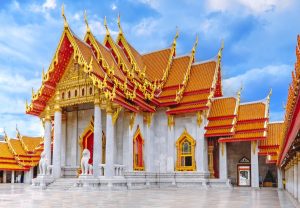
langerhanscellhistiocytosis.org – Nestled in the vibrant city of Bangkok, Wat Pho, also known as the Temple of the Reclining Buddha, is one of Thailand’s most iconic and visited landmarks. Famous for its gigantic reclining Buddha statue and its role as a center for traditional Thai massage and education, Wat Pho offers visitors a glimpse into Thailand’s rich cultural and spiritual heritage. This article delves into the history, significance, and attractions of this remarkable temple complex.

A Glimpse into History

Wat Pho is one of Bangkok’s oldest temples, predating the establishment of the city as the capital of Thailand. The temple was originally built in the 16th century and underwent significant renovations under King Rama I in the late 18th century, who transformed it into a center of learning and spirituality. King Rama III further expanded the temple, establishing it as Thailand’s first public university focused on religion, science, and literature.

Architectural and Spiritual Significance

The highlight of Wat Pho is undoubtedly the majestic Reclining Buddha statue. Measuring 46 meters in length and 15 meters in height, this gilded statue represents the Buddha’s entry into Nirvana and is a symbol of peace and enlightenment. The soles of the Buddha’s feet, inlaid with intricate mother-of-pearl designs, depict auspicious symbols and stories from Buddhist tradition.

The temple complex is a sprawling area filled with richly adorned halls, stupas, and courtyards. It is home to more than a thousand Buddha images, making it a treasure trove of Buddhist art. The architecture of Wat Pho reflects the traditional Thai style, with ornate decorations, colorful tiles, and serene gardens that provide a tranquil escape from the bustling city.

Center for Thai Massage and Education

Wat Pho is renowned as the birthplace of traditional Thai massage. The temple houses a school where students are trained in this ancient healing art, which combines acupressure, Ayurvedic principles, and assisted yoga postures. Visitors can indulge in a relaxing massage session, experiencing firsthand the therapeutic benefits that have been practiced for centuries.

Beyond massage, Wat Pho remains a center for education. The temple’s walls are inscribed with plaques depicting various subjects, including medicine, history, and astrology, continuing its legacy as a place of learning and knowledge sharing.

Visiting Wat Pho

When planning a visit to Wat Pho, it’s advisable to arrive early in the morning or late in the afternoon to avoid crowds and enjoy a more serene experience. The temple is located near the Grand Palace, making it easy to explore both landmarks in a day. Visitors should dress respectfully, covering shoulders and knees, in keeping with the temple’s status as a sacred site.

Conclusion

Wat Pho is more than just a tourist attraction; it is a living testament to Thailand’s rich spiritual and cultural traditions. Whether you’re drawn to its stunning architecture, its historical significance, or its renowned massage school, Wat Pho offers a unique and enriching experience. As you wander through its halls and courtyards, you’ll find yourself immersed in the peaceful ambiance of one of Bangkok’s most cherished treasures.

Exploring Neuschwanstein: Fairytales and Fortresses

langerhanscellhistiocytosis.org – Neuschwanstein Castle stands as a beacon of fairytale wonder nestled in the Bavarian Alps of Germany. Its iconic turrets and romantic design have captured the imagination of millions, serving as inspiration for Disney’s Sleeping Beauty Castle. An exploration of Neuschwanstein offers a journey into the whimsical vision of its creator, King Ludwig II, and the enchanting landscape that surrounds it.

The Dream of King Ludwig II

Commissioned by King Ludwig II of Bavaria in the 19th century, Neuschwanstein Castle embodies the king’s vision of a medieval fantasy fortress. Ludwig, often referred to as the “Fairy Tale King,” was known for his love of art, music, and architecture. Neuschwanstein was intended as a personal retreat and homage to the operas of Richard Wagner, with whom the king had a deep admiration.

Architectural Splendor

Neuschwanstein’s architecture is a breathtaking amalgamation of Romanesque Revival style and whimsical design. The castle’s exterior, with its soaring towers and intricate stonework, evokes the grandeur of medieval fortresses. Inside, visitors are greeted with opulent rooms adorned with frescoes, ornate woodwork, and lavish decorations, each telling a story of mythology and legend.

A Journey Through Time

Visitors to Neuschwanstein embark on a journey through time, exploring rooms like the Throne Hall, with its Byzantine-inspired decor, and the Singers’ Hall, echoing the themes of Wagner’s operas. The castle’s unfinished rooms offer a glimpse into Ludwig’s unfulfilled dreams, as construction halted upon his mysterious death in 1886.

The Enchanting Surroundings

Neuschwanstein’s location adds to its allure, perched on a rugged hill above the village of Hohenschwangau. The surrounding landscape is a picturesque blend of lush forests, serene lakes, and the majestic Alps. Nearby, the Marienbrücke (Mary’s Bridge) offers breathtaking views of the castle and the Pöllat Gorge below, making it a popular spot for photography and reflection.

Legacy and Inspiration

Though never completed, Neuschwanstein Castle has left an indelible mark on popular culture and architecture. It has become one of the most visited castles in the world, drawing millions of tourists each year who seek to experience its fairytale charm. Its influence extends beyond tourism, inspiring countless works of art, film, and literature.

Conclusion

Neuschwanstein Castle is more than just a historical monument; it is a testament to the power of imagination and the enduring allure of fairytales. As visitors explore its grand halls and admire its stunning vistas, they are transported into a world where dreams and reality converge, echoing the timeless enchantment of King Ludwig II’s vision.

The Marshall Islands’ Relationship with the United States

langerhanscellhistiocytosis.org – The Marshall Islands, a strategic archipelago in the central Pacific Ocean, has maintained a unique and complex relationship with the United States for decades. This relationship is deeply rooted in history and continues to shape the political, economic, and social landscape of the Marshall Islands today. From World War II to modern-day agreements, the ties between these two nations have evolved significantly, impacting both the Marshallese people and the United States.

Historical Background

World War II and Trust Territory

During World War II, the Marshall Islands became a focal point in the Pacific theater. Following the war, the islands were placed under U.S. administration as part of the Trust Territory of the Pacific Islands, established by the United Nations. This arrangement allowed the United States to oversee the governance and development of the islands, shaping their future trajectory.

Nuclear Testing Era

One of the most significant and controversial aspects of the U.S.-Marshall Islands relationship was the nuclear testing program conducted by the United States between 1946 and 1958. The testing, primarily at Bikini and Enewetak Atolls, had profound environmental and health impacts on the Marshallese people. The legacy of this period continues to influence diplomatic relations, with ongoing discussions about compensation and remediation.

Compact of Free Association

Establishment and Provisions

In 1986, the Marshall Islands entered into the Compact of Free Association (COFA) with the United States. This agreement granted the Marshall Islands sovereignty while allowing the U.S. to maintain strategic military access to the region. In return, the Marshall Islands received economic assistance, access to U.S. programs, and the right for its citizens to live and work in the United States without visas.

Renewals and Negotiations

The Compact of Free Association has undergone several renewals and negotiations, reflecting evolving priorities and challenges. These discussions have focused on financial assistance, environmental issues, and defense agreements. The current Compact is set to expire, prompting renewed negotiations to address future collaboration and support.

Economic and Social Impact

Financial Assistance and Development

The economic assistance provided under the COFA has been a vital component of the Marshall Islands’ economy. Funds have been allocated for infrastructure development, healthcare, education, and other essential services. However, the reliance on U.S. aid has also raised concerns about economic sustainability and self-sufficiency.

Migration and Cultural Exchange

The right for Marshallese citizens to live and work in the United States has led to significant migration, with many Marshallese forming communities across the U.S. This migration has facilitated cultural exchange and provided opportunities for education and employment. However, it has also led to challenges related to cultural preservation and the impact on families and communities back home.

Strategic and Geopolitical Considerations

Military Presence and Security

The strategic location of the Marshall Islands in the Pacific Ocean makes it a key geopolitical ally for the United States. The U.S. military presence in the region, particularly at Kwajalein Atoll, plays a crucial role in maintaining security and stability in the Pacific, especially amid rising global tensions.

Environmental and Climate Concerns

Climate change and rising sea levels pose significant threats to the Marshall Islands, prompting collaboration with the United States on environmental initiatives and disaster preparedness. These efforts aim to address the existential risks faced by the islands and underscore the importance of continued partnership.

Conclusion

The relationship between the Marshall Islands and the United States is a multifaceted one, shaped by historical events, strategic interests, and shared challenges. As both nations navigate the complexities of their partnership, the focus remains on fostering mutual understanding, addressing past grievances, and building a sustainable and prosperous future for the Marshallese people. This enduring relationship continues to evolve, reflecting the dynamic nature of international diplomacy and cooperation.

Mengunjungi Kuil Prasat Preah Khan: Warisan Kerajaan Khmer

langerhanscellhistiocytosis – Kuil Prasat Preah Khan merupakan salah satu peninggalan bersejarah terbesar dari masa kejayaan Kerajaan Khmer. Terletak di kompleks Angkor, Kamboja, kuil ini dikenal sebagai salah satu monumen bersejarah paling penting di kawasan tersebut. Dengan arsitektur megah yang dipenuhi relief dan patung kuno, Prasat Preah Khan menggambarkan kejayaan peradaban Khmer pada abad ke-12. Bagi wisatawan dan peneliti sejarah, mengunjungi kuil ini adalah perjalanan waktu yang penuh dengan keindahan budaya dan sejarah.

Prasat Preah Khan dibangun oleh Raja Jayavarman VII pada tahun 1191 sebagai penghormatan kepada ayahnya, Dharanindravarman. Kuil ini berfungsi ganda, sebagai kuil agama Buddha dan Hindu. Pada masa itu, Angkor merupakan pusat kekuasaan yang sangat kuat di Asia Tenggara. Prasat Preah Khan merupakan bagian dari proyek besar yang dilakukan Raja Jayavarman VII untuk memperluas dan mempercantik Angkor, termasuk dengan membangun Angkor Thom dan Ta Prohm.

Nama “Preah Khan” dalam bahasa Khmer berarti “pedang suci,” menggambarkan kekuatan dan simbolisme kerajaan Khmer dalam mempertahankan wilayahnya. Kuil ini juga merupakan pusat administrasi dan pendidikan, menjadi tempat tinggal bagi para biksu, cendekiawan, dan pelajar pada masanya.

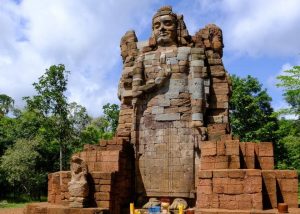
Prasat Preah Khan menonjol dengan desain arsitektur yang rumit dan luas. Kuil ini dikelilingi oleh parit besar, yang mungkin berfungsi sebagai simbol perlindungan terhadap kekuatan jahat, seperti yang biasa ditemukan dalam kuil-kuil Khmer lainnya. Pintu gerbang utama kuil dihiasi oleh patung-patung Dewa-dewa Hindu dan Buddha, memperlihatkan bagaimana agama-agama ini hidup berdampingan pada masa itu.

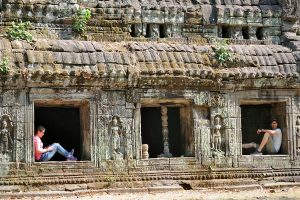
Struktur utama kuil ini memiliki empat sayap utama, yang masing-masing dipenuhi dengan ukiran relief yang menggambarkan adegan-adegan dari mitologi Hindu dan Buddha. Banyak relief ini masih dapat dilihat dengan jelas, meskipun telah berabad-abad lamanya sejak kuil ini pertama kali dibangun. Ada juga beberapa stupa Buddha di dalam kompleks kuil, yang menjadi bukti pentingnya peran agama Buddha pada masa kekuasaan Jayavarman VII.

mengunjungi-kuil-prasat-preah-khan-warisan-kerajaan-khmer

Pada masa kejayaannya, Prasat Preah Khan berfungsi sebagai kuil dan pusat keagamaan sekaligus benteng pertahanan. Di dalam kompleks ini terdapat banyak ruangan yang didedikasikan untuk para biksu dan pelajar, serta aula besar yang digunakan untuk upacara keagamaan dan pertemuan. Kuil ini juga digunakan sebagai benteng untuk melindungi wilayah Angkor dari serangan musuh, terutama dari kerajaan tetangga.

Sayangnya, seiring berjalannya waktu, Prasat Preah Khan mulai dilupakan dan tertutupi oleh hutan tropis yang lebat. Baru pada awal abad ke-20, arkeolog Prancis mulai memulihkan situs ini dan membuka kembali keindahannya bagi dunia. Sebagian besar kuil telah dipugar, namun banyak bagian yang dibiarkan dalam kondisi alami dengan pohon-pohon besar yang tumbuh di antara reruntuhan, menciptakan suasana magis yang khas.

Bagi wisatawan yang tertarik pada sejarah dan budaya Khmer, kunjungan ke Prasat Preah Khan merupakan pengalaman yang sangat berkesan. Kompleks kuil ini menawarkan perjalanan melalui koridor-koridor panjang yang berkelok-kelok, lorong-lorong tersembunyi, serta ruang-ruang terbuka yang dipenuhi ukiran batu kuno. Tidak jarang pengunjung merasakan sensasi berada di dunia lain, dikelilingi oleh reruntuhan yang terjaga dan alam liar yang menyelimuti situs ini.

Selain keindahan arsitektur, pengunjung juga dapat menikmati suasana damai yang ditawarkan oleh kuil ini. Dibandingkan dengan situs-situs terkenal lain di Angkor, seperti Angkor Wat dan Ta Prohm, Prasat Preah Khan seringkali lebih sepi dari keramaian wisatawan, memberikan kesempatan untuk lebih menikmati momen spiritual dan refleksi di tempat ini.

mengunjungi-kuil-prasat-preah-khan-warisan-kerajaan-khmer

Seperti banyak situs bersejarah di dunia, Prasat Preah Khan menghadapi tantangan besar dalam hal pelestarian. Perubahan cuaca, perambahan hutan, dan jumlah pengunjung yang terus meningkat menjadi ancaman bagi kelestarian kuil ini. Namun, pemerintah Kamboja, bersama dengan badan internasional seperti UNESCO, terus melakukan upaya untuk memelihara situs ini agar tetap dapat dinikmati oleh generasi mendatang.

Para arkeolog dan ahli konservasi terus bekerja keras untuk melindungi kuil ini dari kerusakan lebih lanjut, sambil tetap membiarkan beberapa bagian kuil tetap dalam kondisi aslinya sebagai bagian dari pesona alam dan sejarahnya.

Prasat Preah Khan adalah salah satu permata tersembunyi dari peradaban Khmer kamboja slot yang patut dikunjungi bagi siapa saja yang tertarik dengan sejarah, arsitektur, dan budaya Asia Tenggara. Mengunjungi kuil ini tidak hanya memberikan wawasan tentang kejayaan Kerajaan Khmer, tetapi juga membawa pengunjung pada pengalaman spiritual yang mendalam, di tengah keindahan arsitektur kuno yang dikelilingi oleh alam liar.

Bagi mereka yang ingin memahami lebih dalam tentang warisan budaya Khmer, perjalanan ke Prasat Preah Khan akan menjadi pengalaman tak terlupakan.

The Scattered Atolls: Marshall Islands

langerhanscellhistiocytosis.org – Nestled in the heart of the Pacific Ocean, the Marshall Islands form a captivating archipelago that stretches across a vast expanse of the Pacific. Comprising 29 atolls and five isolated islands, this island nation is a paradise for those seeking the beauty of untouched nature and the allure of a rich cultural heritage. The Marshall Islands, officially known as the Republic of the Marshall Islands (RMI), offer a unique blend of natural splendor, historical significance, and cultural richness that makes them a fascinating destination for travelers and researchers alike.

Geographical Overview

The Marshall Islands are located north of the Equator, east of the Philippines, and just south of the Japanese island of Okinawa. The archipelago is spread over an area of approximately 750,000 square miles (1.9 million square kilometers), making it one of the most dispersed countries in the world. Despite this vast area, the total land area of the islands is just about 70 square miles (181 square kilometers), making it one of the smallest countries in terms of landmass.

Cultural Heritage

The Marshall Islands are home to a rich cultural heritage that has been shaped by centuries of isolation and interaction with various cultures. The Marshallese people have a strong tradition of navigation, which was crucial for their survival and interaction with neighboring islands. Their culture is also known for its intricate stick charts, which were used for navigation, and their distinctive architecture, including the impressive Bwij (men’s meeting houses).

Environmental Challenges

The Marshall Islands face numerous environmental challenges, primarily due to their low-lying topography and the impacts of climate change. Rising sea levels, increased storm frequency, and coral bleaching are significant threats to the islands’ ecosystems and the livelihoods of their inhabitants. The nation is at the forefront of advocating for global action against climate change, highlighting the vulnerabilities of low-lying island nations.

Economic Landscape

The economy of the Marshall Islands is primarily based on subsistence farming, fishing, and service industries. The country also relies on foreign aid and the leasing of its ship registry to other nations. The Marshall Islands Registry is one of the world’s largest, contributing significantly to the nation’s economy. Despite these sources of income, the country faces challenges related to economic diversification and sustainability.

Tourism and Natural Beauty

The Marshall Islands offer a unique tourism experience, with their pristine beaches, crystal-clear waters, and abundant marine life. Diving and snorkeling are popular activities, allowing visitors to explore vibrant coral reefs and encounter a wide range of marine species. The islands also have historical significance, with numerous World War II sites, including shipwrecks and battle sites, offering a glimpse into the region’s tumultuous past.

Conclusion

The Marshall Islands are a testament to the resilience and beauty of island nations. Despite facing significant environmental and economic challenges, the nation’s commitment to preserving its natural and cultural heritage is unwavering. As the world continues to grapple with the impacts of climate change and globalization, the Marshall Islands serve as a reminder of the importance of protecting our planet’s most vulnerable ecosystems and cultures.

Cyprus: A Guide to Its Rich Heritage

langerhanscellhistiocytosis.org – Cyprus, an island nation in the eastern Mediterranean, is a treasure trove of historical and cultural riches. Its strategic location has made it a crossroads of civilizations for millennia, resulting in a tapestry of heritage sites that tell the story of the island’s fascinating history. From ancient city-kingdoms to medieval castles and Byzantine churches, Cyprus offers a glimpse into the past that is both enlightening and enchanting.

Ancient City-Kingdoms

The history of Cyprus is deeply intertwined with its ancient city-kingdoms, which flourished from the Bronze Age through to the Hellenistic period. Among these, Paphos, Kourion, and Salamis are the most renowned.

Paphos: The Cradle of Aphrodite

Paphos, a UNESCO World Heritage Site, is famed as the mythical birthplace of Aphrodite. The ancient city is home to some of the most impressive archaeological remains on the island, including the House of Dionysos with its stunning mosaics, the Paphos Fort, and the Tombs of the Kings, an elaborate necropolis carved into the rock.

Kourion: A City Reborn

Kourion, another UNESCO-listed site, was one of the most important city-kingdoms of ancient Cyprus. Its well-preserved ruins include a theater, agora, and the impressive House of Eustolios, known for its intricate mosaic floors. The site offers breathtaking views of the Mediterranean, making it a must-visit for history buffs and nature lovers alike.

Salamis: A Maritime Power

Salamis, once a powerful maritime city, boasts extensive ruins that include a gymnasium, a theater, and the impressive Royal Tombs. The city’s history is a testament to its strategic importance in ancient times, and its ruins provide a glimpse into the life of a thriving ancient metropolis.

Medieval Castles and Fortifications

Cyprus’s medieval heritage is equally impressive, with a number of castles and fortifications dotting the island. These structures are a testament to the island’s strategic importance during the Crusades and the rule of the Lusignan dynasty.

Kolossi Castle: A Taste of the Crusades

Kolossi Castle, located near Limassol, is one of the most iconic medieval sites in Cyprus. It was a key stronghold during the Crusades and is famous for its association with the Knights Templar. The castle’s well-preserved walls and towers offer a glimpse into the military architecture of the period.

Saint Hilarion Castle: A Mountain Fortress

Perched high in the Troodos Mountains, Saint Hilarion Castle is a marvel of medieval engineering. Its strategic location provided a formidable defense, and its ruins include a series of fortified walls, towers, and living quarters that offer a fascinating insight into the life of a medieval fortress.

Byzantine Churches and Monasteries

The island’s Byzantine heritage is another highlight, with numerous churches and monasteries scattered across Cyprus. These sites are not only of historical significance but also architectural and artistic marvels.

The Church of Saint Lazarus in Larnaca

The Church of Saint Lazarus is one of the most important Byzantine sites on the island. It is believed to be built over the tomb of Lazarus, the friend of Jesus Christ. The church’s rich history and stunning frescoes make it a must-visit for those interested in Byzantine art and architecture.

The Monastery of Saint John Lampadistis

Located in the Troodos Mountains, the Monastery of Saint John Lampadistis is a serene retreat that offers a glimpse into the monastic life of Byzantine Cyprus. The monastery’s museum houses a collection of icons and religious artifacts, providing insight into the island’s religious heritage.

Conclusion

Cyprus’s rich heritage is a testament to its strategic location and the diverse civilizations that have left their mark on the island. From ancient city-kingdoms to medieval castles and Byzantine churches, Cyprus offers a journey through time that is both educational and inspiring. Whether you’re an avid historian or simply a lover of beautiful landscapes and architecture, Cyprus promises an unforgettable exploration of its rich heritage.

Sri Lanka’s Journey from Crisis to Stability

langerhanscellhistiocytosis.org – Sri Lanka, a small island nation in South Asia, has faced significant economic and political challenges in recent years. The country’s journey from crisis to stability has been marked by a series of events, policy changes, and international support. This article explores the key factors that led to Sri Lanka’s crisis and the steps taken to restore stability.

The Crisis

Sri Lanka’s economic crisis reached its peak in 2022, characterized by severe shortages of essential goods, widespread protests, and a political upheaval. The crisis was multifaceted, involving economic mismanagement, political instability, and external shocks such as the COVID-19 pandemic and the Russia-Ukraine conflict, which exacerbated the situation by disrupting global supply chains and increasing commodity prices.

Economic Mismanagement

One of the primary causes of the crisis was the government’s economic mismanagement. The administration under President Gotabaya Rajapaksa implemented policies that led to a significant trade deficit and depleted foreign exchange reserves. The decision to ban chemical fertilizers in 2021, intended to promote organic farming, resulted in a severe drop in agricultural productivity and increased food imports, further straining the country’s finances.

Political Instability

Political instability also played a crucial role in the crisis. The Rajapaksa government faced widespread protests over economic mismanagement and corruption. The situation culminated in the president’s resignation and flight from the country in July 2022, leading to a period of political uncertainty.

Path to Stability

Economic Reforms

Under the leadership of President Ranil Wickremesinghe, Sri Lanka has embarked on a series of economic reforms aimed at restoring stability. These reforms include:

  • Fiscal Discipline: Implementing measures to reduce the budget deficit and improve fiscal discipline.
  • Monetary Policy: The Central Bank of Sri Lanka has taken steps to stabilize the currency and control inflation.
  • International Assistance: Seeking financial support from international organizations such as the International Monetary Fund (IMF) and bilateral aid from countries like India and China.

Social and Political Measures

To address the social and political dimensions of the crisis, the government has focused on:

  • Restoring Public Confidence: Taking steps to restore public confidence in the government and its ability to manage the economy effectively.
  • Social Safety Nets: Implementing social safety nets to support the most vulnerable populations affected by the crisis.
  • Political Reforms: Initiating political reforms to address corruption and improve governance, although these efforts have been met with resistance from some political factions.

Current Status

As of 2024, Sri Lanka has made significant progress in stabilizing its economy. The fuel queues that were a symbol of the failing economy are now uncommon, and power cuts have become shorter. The country has returned to a semblance of normalcy, with economic activity gradually picking up. However, the road to full recovery remains challenging, and continued efforts are needed to ensure long-term stability.

Conclusion

Sri Lanka’s journey from crisis to stability has been a complex and multifaceted process. While the country has made significant strides in addressing its economic and political challenges, the path to full recovery is still fraught with obstacles. Continued international support, economic reforms, and political stability will be crucial in ensuring Sri Lanka’s long-term prosperity.

By learning from its past mistakes and implementing sustainable policies, Sri Lanka can build a more resilient and stable future for its people.

South Korea’s Economic Miracle: From War to Wealth

langerhanscellhistiocytosis.org – South Korea’s transformation from a war-torn nation to a global economic powerhouse is often referred to as the “Miracle on the Han River.” This period of rapid economic growth, which began in the aftermath of the Korean War (1950-1953), saw South Korea evolve from one of the poorest economies in the world to a developed nation with a high standard of living. This article explores the key factors and events that contributed to this remarkable economic miracle.

The Devastation of the Korean War

The Korean War left South Korea in ruins, with its economy devastated and its people struggling to survive. The country was one of the poorest in the world, with per capita income as low as $88 a year in 1965. The war had destroyed much of the infrastructure, and the country was heavily dependent on foreign aid for food and basic necessities.

The Beginnings of Economic Reform

The turning point came in the 1960s when President Park Chung-hee, who took power in a military coup in 1961, initiated a series of economic reforms aimed at modernizing the country. These reforms were characterized by a strong emphasis on export-oriented industrialization and state-led development. The government invested heavily in infrastructure, education, and key industries, laying the groundwork for future economic growth.

Rapid Industrialization and Export Growth

One of the most significant aspects of South Korea’s economic miracle was its rapid industrialization. The country focused on developing key industries such as steel, shipbuilding, and electronics. By the 1970s, South Korea had become a major exporter of these goods, which helped to drive economic growth and create jobs. The government’s support for these industries, including subsidies and protectionist policies, played a crucial role in their success.

The Role of Education and Human Capital

Investment in education was another critical factor in South Korea’s economic success. The government prioritized education, increasing the literacy rate and producing a highly skilled workforce. This emphasis on education helped to create a pool of talented workers who could support the country’s growing industries and contribute to technological innovation.

Challenges and Adaptations

Despite its rapid growth, South Korea faced several challenges, including political instability and economic crises. The country experienced significant political upheaval, including the democratic protests of the 1980s, which led to the transition from military to civilian rule. Additionally, South Korea faced economic crises, such as the Asian Financial Crisis of 1997, which required further economic reforms and restructuring.

Transition to a Market Economy

In the late 20th century, South Korea began to transition from a state-led economy to a more market-oriented one. This involved reforms in the financial sector, corporate governance, and the opening up of the economy to foreign investment. These changes helped to modernize the economy and make it more competitive on the global stage.

Conclusion

South Korea’s economic miracle is a testament to the power of strategic planning, investment in human capital, and adaptability in the face of challenges. From the devastation of war to becoming a global economic leader, South Korea’s journey is a story of resilience and determination. As the country continues to evolve, it serves as an inspiration to other nations seeking to achieve similar levels of economic success.

Mozambique’s Struggle with Poverty & Economic Development

langerhanscellhistiocytosis.org – Mozambique, a country in southeastern Africa, has faced significant challenges in its efforts to reduce poverty and achieve sustainable economic development. Despite experiencing robust economic growth over the past two decades, the benefits of this growth have not been evenly distributed, leaving many of its citizens in poverty. This article explores the multifaceted issues contributing to Mozambique’s struggle with poverty and economic development.

Historical Context

Mozambique emerged from a devastating civil war in 1992, which left the country in a state of extreme poverty. In 1990, an estimated 80% of the population lived below the poverty line. Since then, the country has made some progress, but the road to economic stability and poverty reduction has been fraught with challenges.

Economic Growth and Inequality

Mozambique has experienced strong and sustained economic growth, with its Gross Domestic Product (GDP) expanding at an annual average rate of 7.2% between 2000 and 2016. However, this growth has not been broadly shared, and the benefits have largely accrued to the better-off segments of society. This disparity has led to increasing inequality, which is a significant barrier to poverty reduction.

Challenges in Poverty Reduction

Despite the economic growth, poverty reduction in Mozambique has been modest and geographically uneven. The country’s poverty rate decreased from 60% in 2002/2003 to 48% in 2015, but this progress has been uneven across different regions and sectors of the economy. The recent cost-of-living crisis has further exacerbated the situation, leading to an increase in poverty rates, particularly in rural areas.

Factors Contributing to Poverty

Several factors contribute to Mozambique’s struggle with poverty:

  1. Inequality: The benefits of economic growth have not been equitably distributed, leading to increasing inequality.
  2. Geographical Disparities: Poverty reduction has been uneven, with some regions benefiting more than others.
  3. Economic Shocks: Natural disasters such as cyclones and economic crises have set back development efforts.
  4. Political Instability: Political instability and conflict, particularly in the Cabo Delgado province, have hindered economic development and increased poverty.

Government and International Efforts

The Mozambican government, along with international organizations like the World Bank and the International Monetary Fund (IMF), has implemented various strategies to address poverty and promote economic development. These include poverty reduction and growth strategies aimed at fostering inclusive growth and reducing inequality. However, the effectiveness of these strategies has been limited by inadequate implementation and coordination of policies.

Conclusion

Mozambique’s struggle with poverty and economic development is a complex issue rooted in historical, economic, and political factors. While the country has made some progress, the benefits of economic growth have not been broadly shared, and poverty remains a significant challenge. Addressing these issues will require sustained efforts to promote inclusive growth, reduce inequality, and ensure that the benefits of economic development reach all segments of society.

A Guide to the Top 14 Things to Do in the Bahamas

langerhanscellhistiocytosis.org – The Bahamas, with its crystal-clear waters, white-sand beaches, and vibrant culture, is a premier destination for travelers seeking both relaxation and adventure. Whether you’re a beach bum, a history buff, or an adrenaline junkie, the Bahamas has something to offer. Here’s a guide to the top 14 things you can do in this tropical paradise.

1. Snorkel at the Exumas

The Exumas are a chain of 365 islands and cays, offering some of the best snorkeling spots in the Bahamas. Swim with colorful fish and explore underwater caves and coral reefs.

2. Explore the Atlantis Paradise Island

This luxury resort is home to the largest open-air marine habitat, with over 50,000 sea creatures. Don’t miss the Aquaventure water park and the Lost Chambers Aquarium.

3. Visit the Pink Sands Beach

Located on Harbour Island, this beach is famous for its pink sand, created by crushed coral. It’s the perfect spot for a romantic walk or a family picnic.

4. Dive the Blue Holes

The Bahamas is known for its blue holes, underwater caves that are a haven for divers. The Dean’s Blue Hole, the world’s deepest saltwater blue hole, is a must-visit for experienced divers.

5. Stroll Through the Queen’s Staircase

This 66-step limestone staircase in Nassau is a historical landmark that offers stunning views of the city and the ocean. It’s a great place for a morning or sunset walk.

6. Go Bonefishing in Andros

Andros Island is known as the “Bonefishing Capital of the World.” Whether you’re an experienced angler or a beginner, you’ll enjoy the thrill of catching these elusive fish.

7. Visit the Garden of the Groves

Located on Grand Bahama Island, this botanical garden features Spaceman exotic plants, waterfalls, and sculptures. It’s a peaceful retreat from the hustle and bustle of the beaches.

8. Take a Swim with the Pigs

The Exumas are home to the famous swimming pigs of Big Major Cay. These friendly animals are a unique sight and love to interact with visitors.

9. Explore the Rum Cay

Rum Cay is known for its rich history and beautiful landscapes. Visit the old sugar mills and enjoy the secluded beaches that are perfect for a quiet getaway.

10. Attend the Junkanoo Festival

This vibrant festival, held on Boxing Day and New Year’s Day, features colorful costumes, music, and dancing. It’s a celebration of Bahamian culture that you won’t want to miss.

11. Kayak Through the Mangroves

Kayaking through the mangroves of the Bahamas is a serene experience. You’ll see a variety of wildlife and enjoy the tranquility of the natural surroundings.

12. Visit the Inagua National Park

This park is home to the largest flock of West Indian flamingos in the world. It’s a birdwatcher’s paradise and offers stunning views of the wildlife.

13. Go on a Dolphin Encounter

Several locations in the Bahamas offer the chance to swim and interact with dolphins. These intelligent creatures will leave you with unforgettable memories.

14. Relax on Cabbage Beach

Cabbage Beach on Paradise Island is known for its soft sand and clear waters. It’s the perfect place to unwind and soak up the sun.

The Bahamas is a treasure trove of natural beauty, cultural experiences, and adventure. Whether you’re looking to relax on a beach, explore underwater worlds, or immerse yourself in local culture, the Bahamas has something to offer every traveler. So pack your bags and get ready for an unforgettable journey to this tropical paradise.

Driving Forces: Swedish Innovation and Technology

langerhanscellhistiocytosis.org – Sweden has long been recognized as a global leader in innovation and technology. With a population of just over 10 million, the country has punched well above its weight in terms of technological advancements and entrepreneurial spirit. This article explores the driving forces behind Swedish innovation and technology, highlighting the factors that have propelled the nation to the forefront of the tech world.

A Culture of Innovation

At the heart of Sweden’s success in innovation and technology is a deeply ingrained culture of creativity and problem-solving. Swedish society values education, critical thinking, and continuous learning, which fosters an environment where new ideas can flourish. This cultural mindset is evident in the country’s education system, which emphasizes practical skills and encourages students to challenge the status quo.

Strong Government Support

The Swedish government has played a crucial role in nurturing the country’s tech ecosystem. Through various initiatives and funding programs, the government supports research and development, startups, and innovation projects. Policies that promote entrepreneurship and facilitate access to capital have helped Swedish companies to grow and compete on the global stage.

Collaboration Between Academia and Industry

Collaboration between academic institutions and industry is another key driver of Swedish innovation. Universities and research institutes work closely with businesses to translate research findings into practical applications. This collaboration not only accelerates the commercialization of new technologies but also ensures that academic research is aligned with industry needs.

A Focus on Sustainability

Sweden’s commitment to sustainability has also been a significant driver of innovation. The country’s ambitious environmental goals have spurred the development of new technologies in renewable energy, waste management, and green transportation. Swedish companies like Volvo and Ericsson are at the forefront of these efforts, leading the way in sustainable practices and technologies.

Global Outlook and International Collaboration

Swedish companies and researchers have a global outlook, actively seeking international partnerships and markets. This international collaboration brings new perspectives and opportunities for innovation. Sweden’s membership in the European Union and its active participation in international organizations further facilitate these global connections.

Case Studies: Swedish Tech Giants

Ericsson

Ericsson, a world leader in telecommunications equipment and services, is a prime example of Swedish innovation. The company has been at the forefront of the mobile revolution, driving the development of 5G and other advanced communication technologies.

Spotify

Spotify, the music streaming service that has transformed the way we consume music, is another testament to Swedish tech prowess. Founded in 2006, Spotify quickly became a global phenomenon, showcasing Sweden’s ability to create disruptive and user-centric technologies.

Volvo

Volvo, the renowned automotive manufacturer, is leading the charge in sustainable mobility. The company’s commitment to electric vehicles and autonomous driving technologies reflects Sweden’s broader focus on environmental sustainability.

Conclusion

Swedish innovation and technology are driven by a combination of cultural values, government support, academic-industry collaboration, a focus on sustainability, and a global outlook. These factors have created a fertile ground for technological advancements and entrepreneurial success. As Sweden continues to invest in research and development, the country is poised to remain a leader in the global tech landscape, inspiring other nations with its innovative spirit and commitment to a sustainable future.

Shariah and Royal Orders: Saudi Arabia’s Legal Framework

langerhanscellhistiocytosis.org – The legal system of Saudi Arabia is unique, deeply rooted in Islamic law, known as Shariah, and supplemented by royal decrees and orders. This comprehensive legal framework governs all aspects of life in the Kingdom, from personal status and family law to criminal justice and commercial transactions.

Shariah: The Foundation of Saudi Law

  1. Sources of Shariah: Shariah is derived from two primary sources: the Holy Qur’an, which is the word of God as revealed to the Prophet Muhammad, and the Hadith, which are the sayings and actions of the Prophet. These sources provide the guiding principles for all legal matters.
  2. Application of Shariah: In Saudi Arabia, Shariah is applied through a system of courts and judicial bodies. The courts are staffed by judges who are well-versed in Islamic jurisprudence and are responsible for interpreting and applying Shariah to specific cases.
  3. Areas of Law: Shariah covers a wide range of legal areas, including personal status (marriage, divorce, inheritance), criminal law (punishments for crimes such as theft and murder), and commercial law (contracts, trade).

Royal Orders and Decrees

  1. Supplementing Shariah: While Shariah forms the core of the legal system, it is supplemented by royal decrees and orders issued by the King and other high-ranking officials. These decrees often address specific issues or provide detailed regulations for the implementation of Shariah principles.
  2. Types of Royal Orders: Royal orders can take various forms, including decrees, resolutions, and regulations. They may establish new laws, amend existing ones, or provide guidance on the application of Shariah in specific contexts.
  3. Examples of Royal Orders: Some notable examples of royal orders include the establishment of the Saudi Arabian Monetary Authority (SAMA) to regulate the financial sector, and the introduction of the Labor Law to govern employment relationships.

The Role of the Judiciary

  1. Structure of the Courts: The Saudi judiciary is structured into several types of courts, including general courts, specialized courts (such as commercial and labor courts), and the Supreme Court. Each court has specific jurisdiction and handles cases accordingly.
  2. Judicial Process: The judicial process in Saudi Arabia is designed to ensure fairness and justice. It includes mechanisms for evidence-gathering, witness testimony, and the right to appeal. Judges are expected to make decisions based on Shariah principles and the relevant royal decrees.
  3. Reform and Modernization: In recent years, Saudi Arabia has undertaken significant reforms to its legal system, including the introduction of new laws and the establishment of specialized courts. These reforms aim to enhance the efficiency and transparency of the judicial process.

Conclusion

The legal framework of Saudi Arabia is a complex blend of Shariah principles and royal orders. This system ensures that all laws and regulations are in harmony with Islamic values while also addressing the practical needs of a modern society. As Saudi Arabia continues to evolve, its legal framework will undoubtedly adapt to meet the challenges of the future, while remaining firmly grounded in its Islamic heritage.

French as a Symbol of Romance: The Language of Love

langerhanscellhistiocytosis.org – French is often referred to as the language of love, a title that reflects its historical, cultural, and romantic associations. This reputation is not just a matter of perception; it is deeply rooted in the language’s history, its use in literature and art, and its phonetic qualities.

Historical Context

The association of French with love and romance dates back centuries. During the Renaissance, French culture was at the forefront of European civilization, and the French language was the lingua franca of diplomacy, culture, and high society. This period saw the flourishing of French literature, including the works of renowned poets and writers who often explored themes of love and passion.

Cultural Influence

French literature, particularly from the 17th and 18th centuries, played a significant role in cementing the language’s romantic reputation. Works by authors such as Molière, Voltaire, and Rousseau, as well as the romantic novels of the 19th century, depicted love in all its forms, from the tragic to the sublime. These works were widely translated and influenced literature and culture across Europe and beyond.

Phonetic Appeal

The phonetic qualities of French also contribute to its reputation as the language of love. The language’s melodic intonation, soft consonants, and nasal vowels create a sound that many find pleasing and sensual. The way something is said can have a significant impact on how it is received by the listener, and French seems to have a natural advantage in this regard.

Modern Perceptions

In the modern world, French continues to be synonymous with romance. It is the language of choice for many expressions of love, from love notes and poetry to the lyrics of romantic songs. The French themselves embrace this reputation, and cities like Paris are marketed as romantic destinations, further reinforcing the association.

Conclusion

French’s status as the language of love is a testament to its rich cultural heritage, its historical influence, and its inherent beauty. Whether through literature, art, or the simple act of speaking, French has the power to evoke emotions of love and romance. This enduring reputation is a reflection of the language’s enduring appeal and its place in the hearts of people around the world.

From Baseball to Olympic Gold: Cuba’s Sports Legacy

langerhanscellhistiocytosis.org – Cuba, a small island nation in the Caribbean, has left an indelible mark on the world of sports. Known for its passionate sports culture, Cuba has excelled in various athletic disciplines, most notably in baseball and Olympic competitions. This article delves into the rich sports legacy of Cuba, exploring its contributions to the international sports arena and the factors that have fueled its success.

The Birthplace of Latin American Baseball

Cuba’s love affair with baseball began in the late 19th century, making it one of the earliest adopters of the sport outside of the United States. The game quickly became a national pastime, with Cubans embracing it as a symbol of national pride. The country has produced numerous legendary players who have made significant contributions to the sport, both at home and abroad.

Cuba’s Baseball Pioneers

The early 20th century saw the rise of Cuban baseball stars who would leave a lasting legacy on the sport. Players like Martín Dihigo, known as “El Maestro,” and José Méndez, “El Diamante Negro,” were instrumental in popularizing baseball in Cuba and beyond. Their skills and achievements laid the foundation for future generations of Cuban ballplayers.

The Golden Era of Cuban Baseball

The 1940s and 1950s are often referred to as the golden era of Cuban baseball. During this time, the Cuban League was one of the most prestigious winter leagues in baseball, attracting top talent from the United States and other countries. Stars like Minnie Miñoso and Orlando Cepeda graced the fields, showcasing the high level of play that Cuban baseball had achieved.

The Impact of the Revolution on Cuban Sports

The Cuban Revolution of 1959 brought significant changes to the island’s sports landscape. The new government invested heavily in sports infrastructure and programs, making sports accessible to all citizens. This led to a surge in athletic talent across various disciplines, not just in baseball.

Cuba’s Olympic Success

Cuba’s investment in sports has paid dividends on the international stage, particularly in Olympic competitions. Since the 1972 Munich Games, Cuba has consistently punched above its weight, winning numerous medals in boxing, athletics, wrestling, and other sports. The country’s Olympic success is a testament to its sports training system and the dedication of its athletes.

The Legacy of Cuban Boxing

Boxing is another sport where Cuba has made a significant impact. The country has produced a string of world-class boxers, many of whom have won Olympic gold medals. The Cuban boxing system, which emphasizes amateur competition, has been a model for developing talent and has contributed to the country’s reputation as a boxing powerhouse.

Cuba’s Challenges in International Sports

Despite its successes, Cuba has faced challenges in the international sports arena. The defection of athletes seeking better economic opportunities, particularly in baseball, has been a recurring issue. The political and economic isolation of the country has also impacted its ability to compete on the global stage.

Conclusion

Cuba’s sports legacy is a source of immense pride for its people. From the early days of baseball to the Olympic podium, Cuban athletes have demonstrated exceptional skill and determination. The country’s commitment to sports excellence, rooted in its rich history and revolutionary spirit, continues to inspire both at home and abroad. As Cuba navigates the complexities of the modern sports world, its legacy remains a powerful testament to the enduring strength of its athletic tradition.

The Kirundo Cultural Festival: Celebrating Traditions

langerhanscellhistiocytosis.org – The Kirundo Cultural Festival is an annual event that takes place in the Kirundo Province of Burundi, a small landlocked country in East Africa. This vibrant festival is a celebration of the rich cultural heritage of the Kirundi people, showcasing their traditions, music, dance, and art.

A Glimpse into Kirundi Culture

The festival provides a unique opportunity for locals and visitors alike to experience the diverse cultural expressions of the Kirundi people. From traditional attire to folk music and dance, the Kirundo Cultural Festival is a kaleidoscope of colors, sounds, and movements that tell the story of a people proud of their heritage.

Traditional Performances

At the heart of the festival are the traditional performances that highlight the Kirundi’s deep connection to their cultural roots. These performances include the famous “Intore” dance, a powerful and energetic dance traditionally performed by young men, symbolizing strength and bravery. The “Umushayashya” dance, performed by women, is another highlight, characterized by its graceful movements and intricate hand gestures.

Music and Instruments

Music plays a central role in Kirundi culture, and the festival features a variety of traditional instruments such as the “Inanga,” a type of zither, and the “Ikembe,” a thumb piano. These instruments create a melodious backdrop to the festivities, with songs that range from joyful and upbeat to poignant and reflective.

Art and Crafts

The festival is also a showcase for local artisans who display their crafts, including wood carvings, pottery, and textiles. These crafts are not only for sale but also serve as a window into the artistic traditions of the Kirundi people, reflecting their creativity and skill.

Cuisine and Hospitality

No celebration would be complete without food, and the Kirundo Cultural Festival offers a taste of traditional Kirundi cuisine. Dishes such as “Isombe” (mashed cassava leaves) and “Matoke” (cooked plantains) are served, along with a variety of local beverages. The festival is an opportunity for the Kirundi people to share their hospitality and culinary traditions with guests.

Preserving Cultural Heritage

In an era where globalization can homogenize cultures, the Kirundo Cultural Festival plays a crucial role in preserving and promoting the cultural heritage of the Kirundi people. It is a platform for education, ensuring that younger generations are connected to their roots and that traditions are passed down through the ages.

Conclusion

The Kirundo Cultural Festival is more than just a celebration; it is a testament to the enduring spirit and rich cultural tapestry of the Kirundi people. It offers a glimpse into a world where traditions are cherished, and the past is honored while looking forward to the future. As the festival continues to grow, it remains a beacon of cultural pride and a symbol of the Kirundi’s resilience and creativity.

Celebrating Culture and Community: Grenada’s Festivals

langerhanscellhistiocytosis.org – Grenada, the Spice Island of the Caribbean, is renowned not only for its natural beauty but also for its vibrant cultural festivals that bring the community together. These celebrations are a testament to the island’s rich heritage, blending African, European, and indigenous influences. From music and dance to food and craft, Grenada’s festivals offer a kaleidoscope of experiences that showcase the island’s cultural tapestry. This article delves into the significance and highlights of Grenada’s major festivals, emphasizing their role in fostering community spirit and preserving cultural traditions.

Carriacou Maroon Festival

The Carriacou Maroon Festival, held in February, is a unique celebration that commemorates the resilience of the Maroons, African slaves who escaped to the hills of Grenada. This festival is a blend of African and Caribbean traditions, featuring drumming, dancing, and storytelling. Participants dress in traditional attire, and the festival culminates in a reenactment of the Maroons’ fight for freedom, highlighting the island’s history and the importance of cultural memory.

Grenada Carnival

Grenada’s Carnival, also known as Spicemas, is the most exuberant festival on the island, taking place in August. It is a time when Grenadians celebrate their independence, which coincides with the festival. Spicemas is a riot of color, music, and dance, with calypso and soca competitions, steel pan performances, and the famous J’Ouvert and Mas’ (masquerade) parades. The festival is a unifying event that attracts locals and tourists alike, showcasing the island’s cultural vibrancy and spirit of joy.

National Nutmeg Festival

Given Grenada’s moniker as the “Spice Island,” it is fitting that the National Nutmeg Festival celebrates the country’s most famous export. Held in May, this festival highlights the importance of nutmeg and other spices to Grenada’s economy and culture. Events include cooking demonstrations, spice tours, and a grand market day where locals sell spice-infused products. The festival is an opportunity for Grenadians to educate visitors about their agricultural heritage and the unique flavors that define their cuisine.

Carriacou Regatta

The Carriacou Regatta, held in late June or early July, is a sailing festival that has been a part of Grenadian culture for over a century. It is a time when the community gathers to watch traditional sloops race around the island, a spectacle that is both thrilling and deeply rooted in maritime history. The festival also features music, dance, and food, making it a lively celebration of Grenada’s seafaring traditions.

Creole Festival

The Creole Festival, celebrated in October, pays homage to Grenada’s Creole heritage. It is a time when the community comes together to enjoy Creole cuisine, music, and art. The festival includes cooking competitions, live performances, and craft exhibitions, providing a platform for local talent and culinary skills. The Creole Festival is a celebration of the island’s diverse cultural influences and the blending of traditions that make Grenada unique.

Conclusion

Grenada’s festivals are more than just celebrations; they are a living expression of the island’s cultural heritage and community spirit. These events offer a glimpse into the life of Grenada, showcasing its music, dance, food, and traditions. By participating in these festivals, both locals and visitors can experience the rich tapestry of Grenadian culture and the strong sense of community that defines this beautiful island.

A Calendar of Traditions: Switzerland’s Public Holidays

langerhanscellhistiocytosis.org – Switzerland, a country renowned for its stunning landscapes, precision watches, and delicious chocolate, also boasts a rich tapestry of public holidays that reflect its cultural diversity and historical significance. Each holiday is an opportunity for Swiss citizens and visitors alike to immerse themselves in the traditions that have been passed down through generations. Here is a glimpse into the calendar of Switzerland’s public holidays and the customs that accompany them.

New Year’s Day (January 1)

The first day of the year is marked by fireworks, parties, and family gatherings. It’s a time for looking forward to the new year with hope and optimism. In some regions, people engage in “Sylvesterlauf,” a tradition of running or walking on New Year’s Eve to welcome the new year with health and vitality.

Good Friday (March/April)

Good Friday is a day of reflection and religious observance. Many Swiss attend church services and observe the day with quiet contemplation. It is one of the few public holidays that vary in date each year, as it is tied to the Easter calendar.

Easter Monday (March/April)

Following the solemnity of Good Friday and the joy of Easter Sunday, Easter Monday is a day of relaxation. Families often go on hikes or enjoy picnics in the countryside, taking advantage of the spring weather. Children may still be on the lookout for Easter eggs hidden by the “Osterhase” (Easter Bunny).

Labor Day (May 1)

Labor Day is celebrated with parades and gatherings, particularly in the larger cities. It’s a day to honor workers and their contributions to society. In some places, it’s traditional to dance around maypoles or to give bouquets of flowers to loved ones.

Ascension Day (May/June)

Forty days after Easter, Ascension Day commemorates the ascension of Jesus Christ into heaven. It’s a public holiday that is often observed with church services and family gatherings. In some regions, people enjoy traditional foods and games.

Whit Monday (May/June)

Also known as Pentecost Monday, this holiday occurs seven weeks after Easter. It marks the descent of the Holy Spirit upon the Apostles. Celebrations include church services and family gatherings, with many people taking the opportunity to spend time in nature.

National Day (August 1)

Switzerland’s National Day is a celebration of Swiss independence, unity, and patriotism. Fireworks, parades, and concerts are held throughout the country. People wear red and white, the colors of the Swiss flag, and many communities organize traditional folk festivals.

Christmas Day (December 25)

Christmas in Switzerland is a time for family, feasting, and gift-giving. The holiday is celebrated with church services, the exchange of gifts, and a festive meal. Children eagerly await the arrival of “Christkindli” or “Père Noël” (Father Christmas), who brings presents.

Boxing Day (December 26)

The day after Christmas is another public holiday in Switzerland. It’s a time for relaxation and spending time with family. Some people may attend church services or enjoy a quiet day at home.

Switzerland’s public holidays are a testament to the country’s rich cultural heritage and its ability to blend tradition with modernity. Whether through religious observance, national pride, or simple family gatherings, these holidays offer a unique insight into the Swiss way of life.

Suriname: The Gateway to the Amazon

langerhanscellhistiocytosis.org – Nestled on the northeastern coast of South America, Suriname is a small country with a big secret: it is the gateway to the Amazon, one of the world’s most biodiverse and awe-inspiring ecosystems. With a population of just over 500,000 people, Suriname boasts a landmass that is 90% covered in pristine rainforest, making it a unique entry point into the Amazon basin.

A Biodiversity Hotspot

Suriname’s Amazonian rainforest is a biodiversity hotspot, home to an incredible array of flora and fauna. The country is known for its rich birdlife, with over 700 species recorded, including the majestic harpy eagle and the colorful scarlet macaw. The forests are also teeming with other wildlife such as jaguars, giant river otters, and the elusive Amazonian manatee.

Conservation Efforts

Recognizing the importance of its natural heritage, Suriname has taken significant steps towards conservation. The country has established several national parks and nature reserves, such as the Central Suriname Nature Reserve, which is a UNESCO World Heritage Site. These protected areas serve as sanctuaries for wildlife and provide opportunities for sustainable ecotourism.

Cultural Tapestry

Suriname’s gateway to the Amazon is not just a natural marvel; it is also a cultural one. The country is a melting pot of indigenous peoples, Maroons (descendants of escaped African slaves), East Indians, Javanese, and Chinese, among others. This cultural diversity is reflected in the traditional practices, languages, and cuisines found throughout the region.

Adventure and Ecotourism

For adventurers and nature enthusiasts, Suriname offers a plethora of activities. From trekking through the rainforest to spotting wildlife, from kayaking down the majestic Suriname River to visiting traditional indigenous villages, the experiences are as diverse as the ecosystem itself. Ecotourism is encouraged, with a focus on minimizing environmental impact and benefiting local communities.

Challenges and Opportunities

Despite its natural beauty and rich biodiversity, Suriname faces challenges such as deforestation, mining, and illegal wildlife trade. However, these challenges also present opportunities for international cooperation and sustainable development. By working together, Suriname and its partners can ensure that the Amazon’s gateway remains open for generations to come.

In conclusion, Suriname stands as a testament to the beauty and complexity of the Amazon rainforest. As the gateway to this incredible ecosystem, it offers a unique perspective on conservation, culture, and adventure. By embracing sustainable practices and protecting its natural heritage, Suriname can continue to be a beacon of hope for the Amazon and its inhabitants.

A Diverse Range of Industries: The Economy of Palau

langerhanscellhistiocytosis.org – Palau, a small island nation in the Pacific Ocean, boasts a unique and diverse economy that is primarily driven by three main sectors: tourism, fishing, and agriculture. Each of these industries plays a crucial role in the economic landscape of Palau, contributing significantly to its overall economic health and development.

Tourism

Tourism is the backbone of Palau’s economy, accounting for a significant portion of its GDP and providing a substantial source of government revenue. The country’s rich marine life, stunning coral reefs, and diverse ecosystems make it a popular destination for scuba diving and snorkeling, particularly in areas like Koror and the Floating Garden Islands. The long-term prospects for the tourist sector have been bolstered by the expansion of its attractions and the improvement of its infrastructure.

Fishing

Fishing is another major industry in Palau, although it is primarily subsistence-based. The country’s marine environment supports a variety of fish species, which are not only consumed locally but also exported. However, the tuna catch, a significant part of Palau’s fishing industry, has been declining, posing challenges for the sustainability of this sector. Despite this, the fishing industry remains a vital component of Palau’s economy, contributing to both food security and economic growth.

Agriculture

Agriculture in Palau is largely subsistence-based, focusing on crops that meet the local population’s needs rather than for export. The main agricultural products include coconuts, which are used in various local products and industries. The reliance on subsistence agriculture reflects the country’s commitment to self-sufficiency and environmental sustainability.

Other Industries

In addition to these primary sectors, Palau’s economy also includes other commercial industries such as wholesale and retail trade, business services, and construction. These sectors contribute to the diversification of the economy and help in creating employment opportunities for the local population.

Economic Challenges and Opportunities

Despite its diverse economic base, Palau faces several challenges, including environmental fragility and a heavy reliance on financial assistance from the United States. The government is a major employer, and the economy is highly dependent on external aid. However, the post-pandemic rebound in tourism and the potential for further development in the fishing and agricultural sectors offer significant opportunities for growth and diversification.

Conclusion

The economy of Palau is characterized by its diversity and resilience, with tourism, fishing, and agriculture forming the core of its economic activities. While challenges such as environmental fragility and external dependency persist, the potential for growth and diversification in these sectors offers a promising future for the country’s economy. As Palau continues to balance development with environmental sustainability, it is poised to further enhance its economic stability and prosperity.

Hong Kong’s Education System: Challenges & Achievements

langerhanscellhistiocytosis.org – Hong Kong’s education system is renowned for its rigor and high standards, consistently ranking among the top in international assessments. However, like any system, it faces its own set of challenges and has achieved notable milestones. This article explores the key aspects of Hong Kong’s education system, highlighting its achievements and the challenges it navigates.

Achievements of Hong Kong’s Education System

High Academic Performance

Hong Kong students consistently perform exceptionally well in international assessments such as the Programme for International Student Assessment (PISA). This high academic performance is a testament to the system’s effectiveness in fostering academic excellence.

Innovative Teaching Methods

The education system in Hong Kong has been at the forefront of adopting innovative teaching methods. These include the integration of technology in classrooms, project-based learning, and the promotion of critical thinking and problem-solving skills.

Bilingual Education

Hong Kong’s education system is unique in its emphasis on bilingual education, with English and Cantonese being the primary languages of instruction. This approach equips students with the linguistic skills necessary to thrive in a globalized world.

Challenges Facing Hong Kong’s Education System

High-Pressure Environment

One of the most significant challenges is the high-pressure environment that students are subjected to. The intense focus on academic achievement often leads to stress and burnout among students.

Inequality in Education

Despite its achievements, Hong Kong’s education system faces issues of inequality. There is a noticeable disparity in resources and opportunities between public and private schools, as well as between urban and rural areas.

Curriculum Overload

The curriculum in Hong Kong is often criticized for being too demanding, with an excessive focus on rote learning and examinations. This can limit the time available for students to engage in extracurricular activities and explore their interests.

Conclusion

Hong Kong’s education system has much to be proud of, with its high academic standards and innovative teaching practices. However, the challenges of a high-pressure environment, inequality in education, and curriculum overload are significant hurdles that need to be addressed. By focusing on holistic development and ensuring equitable access to quality education, Hong Kong can continue to build on its achievements and overcome its challenges.

Celebrating Creativity: The Artistic Spirit of North Macedonia

langerhanscellhistiocytosis.org – North Macedonia, a country with a rich history and cultural heritage, is home to an artistic spirit that is both vibrant and deeply rooted in tradition. From the stunning frescoes of medieval churches to the contemporary art scenes in Skopje, the creative pulse of North Macedonia beats strong, reflecting the diverse influences that have shaped its cultural landscape over centuries.

Historical Foundations

The artistic traditions of North Macedonia can be traced back to ancient times, with the region being part of the Roman Empire and later the Byzantine Empire. The arrival of the Slavs in the 6th century and the spread of Christianity introduced new artistic expressions, most notably in the form of church architecture and iconography. The frescoes found in churches like St. Panteleimon in Nerezi and St. George in Kurbinovo are masterpieces of Byzantine art, showcasing the skill and spirituality of medieval Macedonian artists.

Folk Art and Craftsmanship

Folk art is an essential aspect of North Macedonia’s cultural identity. Traditional crafts such as weaving, pottery, woodcarving, and metalwork have been passed down through generations. The intricate designs and patterns found in Macedonian carpets, known as kilims, and the beautifully embroidered clothing worn during cultural events, are testaments to the country’s rich folk heritage. These crafts are not just artistic expressions but also serve as a link to the past, preserving the stories and traditions of the people.

Contemporary Art Scene

In recent years, North Macedonia has seen a flourishing of its contemporary art scene. Artists are exploring new mediums and themes, often blending traditional elements with modern techniques. The capital, Skopje, has become a hub for creative activities, with galleries, museums, and cultural centers hosting exhibitions, performances, and festivals that celebrate the country’s artistic diversity.

The Skopje Biennale of Contemporary Art, for example, is an international event that showcases the work of artists from around the world, including those from North Macedonia. It provides a platform for dialogue and exchange, fostering a deeper understanding of the role of art in contemporary society.

Music and Dance

Music and dance are integral to the artistic spirit of North Macedonia. Traditional music, with its distinctive sounds and rhythms, is performed at weddings, religious festivals, and cultural events. The tambura, a stringed instrument, and the gaida, a type of bagpipe, are among the instruments that create the unique sound of Macedonian folk music.

Dance, too, is an important form of artistic expression. The traditional dance, known as oro, is performed in a circle, symbolizing unity and community. It is often accompanied by singing and clapping, creating a lively and joyful atmosphere.

Literature and Poetry

Literature and poetry have a special place in the hearts of North Macedonians. Writers and poets have long been celebrated for their contributions to the cultural landscape. The works of Mateja Matevski, Blaže Koneski, and Slavko Janevski, among others, have left an indelible mark on the literary world, exploring themes of love, loss, and the human condition.

Conclusion

The artistic spirit of North Macedonia is a tapestry woven from the threads of history, tradition, and contemporary innovation. It is a celebration of creativity that transcends time and medium, reflecting the resilience and vibrancy of its people. As North Macedonia continues to evolve, its artistic expressions will undoubtedly continue to captivate and inspire, both at home and abroad.

A Comprehensive Overview: Understanding Philippine Studies

langerhanscellhistiocytosis.org – Philippine Studies, particularly focusing on its historical and ethnographic viewpoints, represents a significant area of academic inquiry that explores the rich tapestry of Philippine culture, history, and society. This field of study encompasses a wide range of topics, from the early traditions of Philippine writing to contemporary issues affecting the country.

Historical and Ethnographic Perspectives

Philippine Studies: Historical and Ethnographic Viewpoints is an internationally refereed journal that publishes scholarly articles and other materials on the history and culture of the Philippines. The journal emphasizes the importance of original contributions and encourages authors to submit manuscripts that are not under consideration elsewhere.

One notable article published in this journal is “The Early Tradition: Philippine Writing in English 1910 -1940” by S. J. Galdon, which provides insights into the early tradition of Philippine writing in English. This article highlights the evolution of Philippine literature and its influence on the cultural and historical landscape of the country.

Academic Writing in Philippine Studies

Academic writing in Philippine Studies is characterized by clarity and conciseness, allowing readers to understand and follow the arguments and ideas presented. Authors are encouraged to seek assistance with idiomatic English if they are not fluent in the language.

Tips for writing research papers include creating an outline before beginning the body of the paper, which helps in organizing thoughts and ensuring a coherent structure. Additionally, providing a title and abstract for review essays is essential, along with selecting appropriate keywords to enhance searchability.

Challenges and Opportunities

One of the challenges faced by Filipino researchers is the use of Philippine English in academic writing, which often involves subject-verb agreement issues. However, this also presents an opportunity for further research and development in the field, as understanding and addressing these linguistic nuances can enhance the quality of academic writing.

Conclusion

Philippine Studies, with its focus on historical and ethnographic viewpoints, offers a profound understanding of the Philippines’ cultural heritage and societal dynamics. By adhering to rigorous academic standards and addressing contemporary challenges, this field continues to evolve and contribute valuable insights to the global academic community.

For those interested in pursuing research or contributing to this field, it is crucial to engage with the latest publications and guidelines provided by journals such as Philippine Studies: Historical and Ethnographic Viewpoints. This will not only ensure that their work meets the highest academic standards but also contributes meaningfully to the ongoing discourse on Philippine studies.

Incorporating Healthy Fats into Kids’ Meals: Omega-3 Advantage

langerhanscellhistiocytosis.org – In the quest for raising healthy children, parents often focus on providing a balanced diet that includes all the essential nutrients. Among these, omega-3 fatty acids stand out for their critical role in brain development, cognitive function, and overall health. This article explores the benefits of omega-3s and offers practical tips for incorporating these healthy fats into kids’ meals.

Understanding Omega-3 Fatty Acids

Omega-3 fatty acids are a type of polyunsaturated fat that the body cannot produce on its own, making them essential nutrients that must be obtained through diet. The three main types of omega-3s are alpha-linolenic acid (ALA), eicosapentaenoic acid (EPA), and docosahexaenoic acid (DHA). DHA, in particular, is crucial for brain health and development, making it especially important for children.

The Benefits of Omega-3s for Kids

Brain Development and Cognitive Function

DHA is a major structural component of the brain and retina of the eye. Studies have shown that adequate intake of omega-3s, particularly DHA, is associated with improved cognitive function, better memory, and a lower risk of developmental disorders in children.

Heart Health

Omega-3 fatty acids are known for their heart-healthy benefits, including reducing triglycerides, lowering blood pressure slightly, and slightly reducing the risk of stroke and heart failure. By introducing omega-3s early in life, parents can help lay the foundation for a healthy cardiovascular system.

Behavior and Mood

Research suggests that omega-3s may play a role in improving behavior and mood in children. Some studies have found that omega-3 supplementation can help reduce symptoms of ADHD and depression in children and adolescents.

Incorporating Omega-3s into Kids’ Meals

Foods Rich in Omega-3s

The best dietary sources of omega-3s include fatty fish such as salmon, mackerel, sardines, and trout. Plant-based sources include flaxseeds, chia seeds, hemp seeds, walnuts, and algae-based supplements.

Meal Ideas for Kids

  • Breakfast: Start the day with a bowl of oatmeal topped with chia seeds and fresh berries.
  • Lunch: Serve a tuna or salmon sandwich on whole-grain bread with avocado slices on the side.
  • Snacks: Offer walnuts or flaxseed crackers as a snack.
  • Dinner: Include grilled salmon or baked trout in your weekly meal rotation, served with a side of quinoa and steamed vegetables.

Tips for Picky Eaters

If your child is hesitant to try fish, consider incorporating omega-3s through plant-based sources or using fish oil supplements after consulting with a pediatrician.

Conclusion

The omega-3 advantage is undeniable when it comes to supporting your child’s health and development. By making conscious efforts to include omega-3-rich foods in your child’s diet, you can help ensure they receive the essential nutrients needed for optimal growth and well-being. Remember, variety is key, and with a little creativity, you can make omega-3s a delicious and integral part of your child’s meals.

Kimchi: Korea’s Fermented Treasure

langerhanscellhistiocytosis.org – Kimchi, a traditional Korean side dish made from salted and fermented vegetables, most commonly napa cabbage and Korean radishes, is more than just a condiment; it’s a cultural icon and a testament to the ingenuity of Korean cuisine. This fermented treasure has been an integral part of Korean culture for centuries, embodying the essence of Korean culinary traditions and the country’s rich history.

The History and Cultural Significance of Kimchi

The history of kimchi dates back to ancient times, with its origins traced back to the Three Kingdoms of Korea (57 BC – 668 AD). Over the centuries, kimchi has evolved, reflecting the agricultural and climatic changes in the Korean peninsula. It has been a crucial part of the Korean diet, providing essential nutrients during the winter months when fresh produce was scarce.

Kimchi is not only a staple in Korean cuisine but also a symbol of the country’s resilience and adaptability. It represents the Korean spirit of “han,” a complex mix of sorrow, regret, and perseverance. The process of making kimchi, which involves the entire family, also symbolizes unity and cooperation.

The Making of Kimchi

The process of making kimchi is both an art and a science. It involves a combination of vegetables, seasonings, and fermentation. The primary ingredients include napa cabbage or Korean radishes, which are salted to draw out moisture, then rinsed and drained. The vegetables are then mixed with a paste made from glutinous rice, red pepper powder, garlic, ginger, and fish sauce or shrimp paste. Other ingredients such as onions, radishes, and sometimes fruits like Asian pears can be added for extra flavor.

Once the vegetables are coated with the seasoning paste, they are packed into airtight containers and left to ferment. The fermentation process can take anywhere from a few days to several weeks, depending on the temperature and the desired taste. Kimchi is a living food, and its flavor profile changes over time, from fresh and crisp to sour and tangy.

Health Benefits of Kimchi

Kimchi is not only delicious but also incredibly healthy. It is rich in vitamins A, B, and C, as well as calcium, iron, and dietary fiber. The fermentation process produces probiotics, beneficial bacteria that support gut health and boost the immune system. Regular consumption of kimchi has been linked to a reduced risk of obesity, diabetes, and cardiovascular diseases.

The Global Appeal of Kimchi

Kimchi’s popularity has transcended borders, becoming a global phenomenon. Its unique taste and health benefits have attracted food enthusiasts and chefs worldwide. Kimchi has been incorporated into various cuisines, from burgers and tacos to pasta and salads, showcasing its versatility and universal appeal.

In conclusion, kimchi is more than just a dish; it’s a symbol of Korean culture, history, and resilience. Its journey from a traditional Korean side dish to a global sensation highlights its enduring appeal and the universal love for good food. Whether enjoyed as a traditional accompaniment to a Korean meal or as an ingredient in fusion cuisine, kimchi remains Korea’s fermented treasure, cherished by people around the world.