Bird’s Nest Soup: A Luxurious Delicacy – A Culinary Treasure

langerhanscellhistiocytosis.org – Bird’s nest soup is a renowned Chinese delicacy made from the nests of swiftlets, a type of swift bird. These nests, composed of intricate webs of solidified saliva, are harvested and used to create a soup that is prized for its delicate flavor, silky texture, and purported health benefits.

The Nesting Process

Swiftlets construct their nests in dark caves, using their saliva to bind together strands of plant material. The saliva, rich in proteins and minerals, solidifies upon exposure to air, forming the intricate nest structure. The nests are harvested by skilled climbers who navigate the treacherous cave environments.

The Preparation Process

The harvested nests are cleaned to remove impurities and then soaked in water to soften. The softened nests are then simmered in water or broth until they dissolve, creating a thick, gelatinous soup. The soup is often flavored with ingredients such as rock sugar, red dates, and ginseng, which enhance its taste and nutritional value.

The Health Benefits

Bird’s nest soup has been revered in Chinese culture for centuries, believed to possess numerous health benefits. It is rich in proteins, minerals, and antioxidants, which may contribute to improved skin health, enhanced immunity, and increased energy levels. However, scientific evidence to support these claims is limited.

A Symbol of Luxury

Due to the time-consuming and labor-intensive harvesting process, bird’s nest soup is considered a luxury food. It is often served in high-end restaurants and is associated with wealth and status. The delicate flavor and purported health benefits make it a popular choice for special occasions and celebrations.

Conservation Concerns

The increasing demand for bird’s nest soup has led to concerns about the sustainability of swiftlet populations. Overharvesting and habitat destruction can threaten the survival of these birds. To address these issues, sustainable harvesting practices and conservation efforts are essential.

Ube Halaya: A Purple Delight – A Culinary Treasure

langerhanscellhistiocytosis.org – Ube halaya, a sweet yam paste made from purple yam, is a beloved Filipino dessert ingredient. Its vibrant purple color and unique sweet, nutty flavor have made it a popular choice for various dishes and desserts.

A Culinary Treasure

The purple yam, or ube, is a root vegetable native to the Philippines. It is rich in antioxidants and has a naturally sweet flavor. Ube halaya is made by cooking and mashing the purple yam, then mixing it with sugar, milk, and butter. The resulting paste is smooth, creamy, and incredibly delicious.

Key Ingredients and Their Role:

  • Purple Yam: Provides the distinctive purple color and sweet, nutty flavor.
  • Sugar: Adds sweetness.
  • Milk and Butter: Add creaminess and richness.

A Versatile Ingredient

Ube halaya is a versatile ingredient that can be used in a variety of dishes and desserts. Here are some popular ways to enjoy ube halaya:

  • Spread: Ube halaya can be spread on bread, toast, or crackers.
  • Filling: It can be used as a filling for pastries, such as pies, tarts, and cakes.
  • Topping: It can be used as a topping for ice cream, pancakes, or waffles.
  • Beverage: It can be added to milk or coffee to create a delicious and nutritious drink.
  • Dessert: It can be used to make various desserts, such as ube halaya cake, ube cheese pandesal, and ube ice cream.

A Cultural Delight

Ube halaya is more than just a delicious treat; it’s also a symbol of Filipino culture. It’s often served during special occasions and celebrations, such as birthdays, weddings, and fiestas. Ube halaya is also a popular ingredient in many Filipino desserts, reflecting the country’s rich culinary heritage.

Kimchi: Korea’s Fermented Treasure

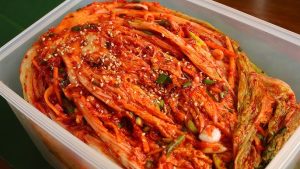
langerhanscellhistiocytosis.org – Kimchi, a traditional Korean side dish made from salted and fermented vegetables, most commonly napa cabbage and Korean radishes, is more than just a condiment; it’s a cultural icon and a testament to the ingenuity of Korean cuisine. This fermented treasure has been an integral part of Korean culture for centuries, embodying the essence of Korean culinary traditions and the country’s rich history.

The History and Cultural Significance of Kimchi

The history of kimchi dates back to ancient times, with its origins traced back to the Three Kingdoms of Korea (57 BC – 668 AD). Over the centuries, kimchi has evolved, reflecting the agricultural and climatic changes in the Korean peninsula. It has been a crucial part of the Korean diet, providing essential nutrients during the winter months when fresh produce was scarce.

Kimchi is not only a staple in Korean cuisine but also a symbol of the country’s resilience and adaptability. It represents the Korean spirit of “han,” a complex mix of sorrow, regret, and perseverance. The process of making kimchi, which involves the entire family, also symbolizes unity and cooperation.

The Making of Kimchi

The process of making kimchi is both an art and a science. It involves a combination of vegetables, seasonings, and fermentation. The primary ingredients include napa cabbage or Korean radishes, which are salted to draw out moisture, then rinsed and drained. The vegetables are then mixed with a paste made from glutinous rice, red pepper powder, garlic, ginger, and fish sauce or shrimp paste. Other ingredients such as onions, radishes, and sometimes fruits like Asian pears can be added for extra flavor.

Once the vegetables are coated with the seasoning paste, they are packed into airtight containers and left to ferment. The fermentation process can take anywhere from a few days to several weeks, depending on the temperature and the desired taste. Kimchi is a living food, and its flavor profile changes over time, from fresh and crisp to sour and tangy.

Health Benefits of Kimchi

Kimchi is not only delicious but also incredibly healthy. It is rich in vitamins A, B, and C, as well as calcium, iron, and dietary fiber. The fermentation process produces probiotics, beneficial bacteria that support gut health and boost the immune system. Regular consumption of kimchi has been linked to a reduced risk of obesity, diabetes, and cardiovascular diseases.

The Global Appeal of Kimchi

Kimchi’s popularity has transcended borders, becoming a global phenomenon. Its unique taste and health benefits have attracted food enthusiasts and chefs worldwide. Kimchi has been incorporated into various cuisines, from burgers and tacos to pasta and salads, showcasing its versatility and universal appeal.

In conclusion, kimchi is more than just a dish; it’s a symbol of Korean culture, history, and resilience. Its journey from a traditional Korean side dish to a global sensation highlights its enduring appeal and the universal love for good food. Whether enjoyed as a traditional accompaniment to a Korean meal or as an ingredient in fusion cuisine, kimchi remains Korea’s fermented treasure, cherished by people around the world.