A Calendar of Traditions: Switzerland’s Public Holidays

langerhanscellhistiocytosis.org – Switzerland, a country renowned for its stunning landscapes, precision watches, and delicious chocolate, also boasts a rich tapestry of public holidays that reflect its cultural diversity and historical significance. Each holiday is an opportunity for Swiss citizens and visitors alike to immerse themselves in the traditions that have been passed down through generations. Here is a glimpse into the calendar of Switzerland’s public holidays and the customs that accompany them.

New Year’s Day (January 1)

The first day of the year is marked by fireworks, parties, and family gatherings. It’s a time for looking forward to the new year with hope and optimism. In some regions, people engage in “Sylvesterlauf,” a tradition of running or walking on New Year’s Eve to welcome the new year with health and vitality.

Good Friday (March/April)

Good Friday is a day of reflection and religious observance. Many Swiss attend church services and observe the day with quiet contemplation. It is one of the few public holidays that vary in date each year, as it is tied to the Easter calendar.

Easter Monday (March/April)

Following the solemnity of Good Friday and the joy of Easter Sunday, Easter Monday is a day of relaxation. Families often go on hikes or enjoy picnics in the countryside, taking advantage of the spring weather. Children may still be on the lookout for Easter eggs hidden by the “Osterhase” (Easter Bunny).

Labor Day (May 1)

Labor Day is celebrated with parades and gatherings, particularly in the larger cities. It’s a day to honor workers and their contributions to society. In some places, it’s traditional to dance around maypoles or to give bouquets of flowers to loved ones.

Ascension Day (May/June)

Forty days after Easter, Ascension Day commemorates the ascension of Jesus Christ into heaven. It’s a public holiday that is often observed with church services and family gatherings. In some regions, people enjoy traditional foods and games.

Whit Monday (May/June)

Also known as Pentecost Monday, this holiday occurs seven weeks after Easter. It marks the descent of the Holy Spirit upon the Apostles. Celebrations include church services and family gatherings, with many people taking the opportunity to spend time in nature.

National Day (August 1)

Switzerland’s National Day is a celebration of Swiss independence, unity, and patriotism. Fireworks, parades, and concerts are held throughout the country. People wear red and white, the colors of the Swiss flag, and many communities organize traditional folk festivals.

Christmas Day (December 25)

Christmas in Switzerland is a time for family, feasting, and gift-giving. The holiday is celebrated with church services, the exchange of gifts, and a festive meal. Children eagerly await the arrival of “Christkindli” or “Père Noël” (Father Christmas), who brings presents.

Boxing Day (December 26)

The day after Christmas is another public holiday in Switzerland. It’s a time for relaxation and spending time with family. Some people may attend church services or enjoy a quiet day at home.

Switzerland’s public holidays are a testament to the country’s rich cultural heritage and its ability to blend tradition with modernity. Whether through religious observance, national pride, or simple family gatherings, these holidays offer a unique insight into the Swiss way of life.
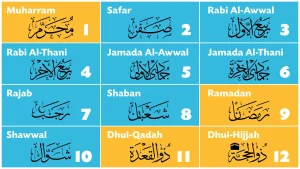
Islamic Calendar & Its Significance: Lunar-Based Calendar

langerhanscellhistiocytosis.org – The Islamic calendar, also known as the Hijri calendar, is a lunar calendar used by Muslims around the world to determine the proper days on which to observe religious events and festivals. This calendar is based on the moon’s phases and consists of 12 months, with each month beginning when the first crescent moon is sighted. The Islamic calendar is significant in guiding the Muslim community in their religious practices, providing a framework for the observance of holy days and rituals.

Understanding the Lunar-Based Islamic Calendar

The Islamic calendar is purely lunar and does not rely on the solar year. This means that it does not correspond to the seasons in the way that solar calendars do. Since the lunar year is approximately 11 days shorter than the solar year, the Islamic calendar shifts with respect to the Gregorian calendar, which is solar-based. This shift allows Muslims to experience the holy months in different seasons over the course of their lives.

The months of the Islamic calendar are as follows:

  1. Muharram
  2. Safar
  3. Rabi’ al-Awwal
  4. Rabi’ al-Thani
  5. Jumada al-Ula
  6. Jumada al-Thani
  7. Rajab
  8. Sha’ban
  9. Ramadan
  10. Shawwal
  11. Dhu al-Qi’dah
  12. Dhu al-Hijjah

The Significance of the Islamic Calendar in Religious Observances

Ramadan

One of the most significant events in the Islamic calendar is the month of Ramadan, the ninth month, during which Muslims fast from dawn until sunset. Ramadan is a time for spiritual reflection, self-improvement, and increased devotion and worship. The end of Ramadan is marked by the celebration of Eid al-Fitr, a joyous occasion when Muslims gather for communal prayers, exchange gifts, and share meals.

Hajj

The Hajj, or pilgrimage to Mecca, is another key event in the Islamic calendar, taking place in the 12th month, Dhu al-Hijjah. It is one of the Five Pillars of Islam and is obligatory for all adult Muslims who are physically and financially able to perform it at least once in their lifetime. The Hajj culminates in the festival of Eid al-Adha, during which Muslims worldwide commemorate the willingness of Ibrahim (Abraham) to sacrifice his son as an act of obedience to God.

Other Observances

The Islamic calendar also marks other significant events, such as the birth of Prophet Muhammad (peace be upon him), known as Mawlid or Eid Milad un Nabi, which falls in the third month, Rabi’ al-Awwal. Additionally, the 10th of Muharram, Ashura, is observed by many Muslims, commemorating the day that God saved Prophet Musa (Moses) and the Israelites from Pharaoh.

The Role of the Islamic Calendar in Muslim Life

The Islamic calendar plays a crucial role in the daily lives of Muslims, guiding them in their religious observances and providing a sense of community and shared identity. It helps to maintain a connection with the historical events and teachings of Islam, ensuring that the traditions and practices are preserved and passed down through generations.

In conclusion, the Islamic calendar is not just a means of marking time; it is a guide for Muslims to live in accordance with their faith. It serves as a reminder of the importance of spiritual growth, community, and the remembrance of God. Through the observance of the Islamic calendar, Muslims around the world are united in their religious practices, regardless of the time zone or geographic location.