The Disturbing Case of James Fairweather: The Colchester Killer

langerhanscellhistiocytosis.org – In the quiet town of Colchester, England, the peaceful atmosphere was shattered by the chilling crimes of a teenage boy named James Fairweather. Known as the “Colchester Killer,” Fairweather’s actions brought fear and confusion to the community, leaving a lasting impact on the town and raising difficult questions about the nature of youth and violence.

Early Life and Background

James Fairweather was born in 1998 and grew up in Colchester. His childhood was marked by struggles with bullying and social isolation, which seemed to exacerbate underlying mental health issues. Fairweather was diagnosed with autism and conduct disorder, conditions that may have influenced his behavior and interactions with others.

The Crimes

In 2014, at the age of 15, Fairweather committed two brutal murders that shocked the nation. His first victim was James Attfield, a 33-year-old man with a brain injury, whom Fairweather stabbed over 100 times. Three months later, Fairweather attacked Nahid Almanea, a 31-year-old Saudi student, stabbing her 16 times as she walked along a nature trail. The randomness and brutality of these attacks left the Colchester community in a state of fear and disbelief.

Investigation and Capture

The investigation into these murders became one of the largest in Essex Police’s history. Fairweather’s capture came about after a vigilant dog-walker spotted him lurking in the area where he had killed Nahid Almanea. Upon his arrest, Fairweather confessed to the murders, claiming he was inspired by notorious serial killers and driven by voices in his head urging him to kill.

Psychological Evaluation

During his trial, Fairweather’s mental health was a focal point. Experts testified about his autism and conduct disorder, as well as his fascination with violence and serial killers. Despite these factors, the jury found him guilty of both murders, and he was sentenced to life imprisonment with a minimum term of 27 years.

Impact on the Community

The crimes committed by Fairweather had a profound impact on Colchester. They highlighted the vulnerabilities within the community and the need for better support systems for young people struggling with mental health issues. The case also sparked discussions about the influence of violent media on impressionable minds and the importance of early intervention in preventing youth crime.

Lessons Learned

The story of James Fairweather is a stark reminder of the complexities surrounding juvenile crime and mental health. It underscores the need for a balanced approach that combines justice with rehabilitation, ensuring that young offenders receive the support and treatment they need to prevent further tragedies.

Conclusion

James Fairweather’s case remains a poignant example of the dark potential hidden within the seemingly ordinary. As society continues to grapple with the challenges of youth crime and mental health, it is crucial to foster environments that prioritize understanding, support, and prevention, rather than solely focusing on punishment.

A Critical Analysis: Addressing Weapons in Schools

langerhanscellhistiocytosis.org – The presence of weapons in schools has become a critical issue, posing a significant threat to the safety and well-being of students and staff. This analysis aims to explore the various aspects of this problem, including the prevalence of weapons in schools, the types of weapons involved, the impact on school environments, and the strategies that can be employed to address this issue effectively.

The Prevalence of Weapons in Schools

Weapons in schools are a global concern, with incidents ranging from the carrying of knives and firearms to the use of improvised weapons. The prevalence of such incidents has increased in recent years, leading to a heightened sense of urgency to address the problem.

Statistics and Trends

Recent studies and reports indicate a concerning trend of increased weapon-related incidents in schools. These incidents often result in injuries, fatalities, and long-term psychological impacts on students and staff.

Types of Weapons in Schools

Weapons found in schools can vary widely, from conventional firearms and knives to less traditional weapons such as pepper spray or improvised explosive devices. The availability and accessibility of these weapons play a crucial role in their presence in schools.

Firearms

Firearms are among the most dangerous weapons found in schools. The ease of access to firearms in some regions contributes to their prevalence in school-related violence.

Other Weapons

Other weapons, such as knives, blunt instruments, and chemical sprays, are also commonly found in schools. These weapons are often easier to conceal and can be just as deadly.

Impact on School Environments

The presence of weapons in schools has a profound impact on the learning environment. It can lead to a culture of fear and mistrust, affecting academic performance and mental health.

Psychological Effects

Students and staff living in fear of potential violence may experience anxiety, depression, and other mental health issues. This can hinder their ability to focus on learning and teaching.

Academic Consequences

The threat of violence can distract students and educators, leading to a decline in academic performance and a disruption of the educational process.

Strategies to Address Weapons in Schools

Addressing the issue of weapons in schools requires a multi-faceted approach that involves various stakeholders, including students, parents, educators, law enforcement, and policymakers.

Enhanced Security Measures

Implementing enhanced security measures, such as metal detectors, security personnel, and secure entry points, can help prevent the introduction of weapons into school environments.

Education and Awareness

Educating students and staff about the dangers of weapons and promoting a culture of non-violence can help reduce the incidence of weapon-related incidents.

Collaboration with Law Enforcement

Working closely with law enforcement agencies to develop and enforce policies related to weapons in schools can provide a stronger deterrent against such incidents.

Mental Health Support

Providing access to mental health services for students and staff can help address underlying issues that may contribute to violent behavior.

Conclusion

The presence of weapons in schools is a critical issue that requires immediate and sustained attention. By understanding the prevalence and types of weapons involved, the impact on school environments, and the strategies that can be employed to address the problem, stakeholders can work together to create safer learning environments for all.

Unsolved Cases and the Evidence Left Behind: Silent Witnesses

langerhanscellhistiocytosis.org – In the shadowy realm of unsolved mysteries, there lies a category of evidence that often goes unnoticed or unappreciated: the silent witnesses. These are the remnants, the clues, and the artifacts left behind at crime scenes that, for one reason or another, have not led to the resolution of the cases they are associated with. This article delves into the world of these silent witnesses, exploring their significance, the challenges they present, and the potential they hold for unlocking the secrets of unsolved cases.

The Nature of Silent Witnesses

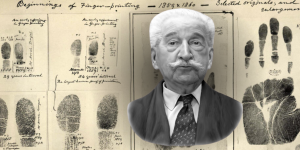
Silent witnesses can take many forms. They might be physical objects such as a piece of clothing, a weapon, or a personal belonging left at the scene of a crime. They could also be digital, such as emails, text messages, or social media posts that hint at motives or relationships. In some cases, they are biological, like DNA evidence or fingerprints that have yet to be matched to a suspect. Regardless of their form, these witnesses share a common trait: they are waiting to be understood, interpreted, and connected to the broader narrative of the crime.

The Challenges of Interpretation

One of the primary challenges in leveraging silent witnesses is interpretation. Evidence does not speak for itself; it requires context and analysis to reveal its secrets. This process is often complex and can involve a wide range of forensic disciplines, from ballistics and DNA analysis to digital forensics and psychological profiling. The interpretation of evidence is also subject to human error and bias, which can lead to misinterpretations or overlooked connections.

The Role of Technology and Innovation

Advances in technology have significantly enhanced the ability of investigators to interpret silent witnesses. Techniques such as DNA phenotyping, which can predict the physical appearance of a person from their DNA, and facial recognition software have revolutionized the field. Additionally, the digitization of records and the use of databases like CODIS (Combined DNA Index System) have made it easier to match evidence to suspects or to link crimes across jurisdictions.

The Psychological Impact of Unsolved Cases

Unsolved cases can have a profound psychological impact on the families of victims, the communities affected, and even the investigators themselves. The silent witnesses in these cases serve as constant reminders of the unfinished business, the questions that remain unanswered, and the justice that has yet to be served. For some, the presence of these witnesses fuels a relentless drive to find answers, while for others, it represents an unhealable wound.

The Potential for Resolution

Despite the challenges, the silent witnesses in unsolved cases hold the potential for resolution. With each technological advancement and each new piece of evidence that comes to light, the possibility of breaking through the barriers that have kept these cases unsolved increases. The dedication of investigators, the support of communities, and the relentless pursuit of justice can turn these silent witnesses into vocal advocates for closure.

Conclusion

The silent witnesses of unsolved cases are more than just remnants of crimes; they are the threads that connect the past to the present, the unknown to the known, and the unresolved to the resolved. They stand as a testament to the complexity of crime and the challenges of forensic science. Yet, they also represent hope—hope that one day, the stories they have to tell will be understood, and the mysteries they are part of will be unraveled. As we continue to develop new methods of investigation and analysis, we must never forget the silent witnesses, for they are the key to unlocking the truth.