Yellow Loosestrife Flower: A Beautiful Wildflower

langerhanscellhistiocytosis.org – Yellow Loosestrife (Lysimachia vulgaris), also known as the common loosestrife or garden loosestrife, is a striking perennial flower native to Europe and parts of Asia. With its tall, upright stems and vibrant yellow flowers, Yellow Loosestrife is a popular addition to gardens and naturalized areas, adding both color and texture to landscapes. While it is known for its beauty, this plant also plays an important role in supporting local ecosystems and wildlife. However, it is essential to understand its growing habits and environmental impact, as Yellow Loosestrife can be an aggressive spreader in some areas.

Appearance and Characteristics

Yellow Loosestrife is a tall, erect herbaceous plant that typically grows between 2 and 5 feet (60 to 150 cm) in height. The plant features long, slender stems that bear opposite pairs of lance-shaped, dark green leaves. These leaves create a dense, foliage-covered structure, which makes the plant an attractive addition to garden beds and borders.

The most striking feature of Yellow Loosestrife is its vibrant yellow flowers, which bloom in dense, elongated clusters that form along the upper stems. The flowers are star-shaped, with five petals, and they typically appear from late spring to early summer. The bright yellow blooms create a cheerful contrast against the green foliage, making the plant a favorite among gardeners and nature enthusiasts alike. The plant’s flowers also attract a variety of pollinators, including bees, butterflies, and hummingbirds, which feed on the nectar.

Following the flowering period, Yellow Loosestrife produces small, round seed capsules that contain tiny seeds. These seeds are dispersed by the wind or water, allowing the plant to spread over large areas if not carefully managed.

Growing and Caring for Yellow Loosestrife

Yellow Loosestrife is relatively easy to grow, particularly in moist, well-drained soils. It is an adaptable plant that can thrive in a variety of conditions, making it a great addition to naturalized gardens, wetlands, and other areas with consistent moisture. Below are some tips for successfully growing Yellow Loosestrife:

  1. Light Requirements: Yellow Loosestrife prefers full sun to partial shade. While it can tolerate some light shade, it performs best when grown in an area that receives at least 6 hours of direct sunlight each day. Full sun encourages the plant to flower more profusely and grow stronger.
  2. Soil: This plant thrives in moist, fertile, well-drained soil, though it can tolerate a wide range of soil types. It is often found in wetlands, marshes, and along streambanks in its native habitat, where the soil is consistently moist. Adding organic matter, such as compost or well-rotted manure, can improve soil quality and promote healthy growth.
  3. Watering: Yellow Loosestrife is a water-loving plant that requires consistent moisture to grow well. It can tolerate soggy soils and is an excellent choice for areas that remain damp or receive regular rainfall. However, it is important to avoid letting the soil dry out completely, especially during the growing season.
  4. Temperature and Humidity: Yellow Loosestrife is hardy in USDA hardiness zones 3 through 8. It thrives in temperate climates with moderate humidity. While it can tolerate cold temperatures and frost, it does not do well in extremely hot or dry conditions. Providing adequate moisture and shade during hot spells can help the plant remain healthy.
  5. Fertilization: This plant benefits from occasional fertilization, particularly in nutrient-poor soils. A balanced, slow-release fertilizer applied in the spring can encourage vigorous growth and abundant flowering. Organic fertilizers like compost or fish emulsion are ideal for promoting healthy plants without over-fertilizing.
  6. Pruning: Pruning Yellow Loosestrife is generally not required, but cutting back spent flowers can improve the plant’s appearance and encourage a tidy growing habit. If you want to prevent the plant from self-seeding and spreading too aggressively, remove the seed pods before they mature. This will help keep the plant from becoming invasive.

Ecological Benefits and Wildlife Support

Yellow Loosestrife plays an important role in supporting local wildlife and ecosystems. Its bright flowers attract a wide variety of pollinators, including bees, butterflies, and other beneficial insects. These pollinators, in turn, contribute to the overall health of the surrounding ecosystem by aiding in the pollination of other plants.

In addition to pollinators, Yellow Loosestrife provides cover and food for small wildlife. The plant’s dense foliage offers shelter for birds, insects, and other small creatures. Its seeds are also eaten by some bird species, adding an additional layer of ecological value.

Yellow Loosestrife is particularly beneficial for wetland and riparian ecosystems, where it helps stabilize the soil and prevent erosion. Its dense root system is effective at holding soil in place, especially in areas that are prone to flooding or soil movement. This makes it an excellent plant for naturalizing wetland areas, streambanks, and pond edges.

Invasiveness and Environmental Considerations

While Yellow Loosestrife offers many ecological benefits, it is important to note that it can be an invasive species in some regions, particularly in North America. Due to its ability to spread aggressively by seed and root systems, Yellow Loosestrife has been known to outcompete native plants in wetlands and other natural habitats.

Invasive Yellow Loosestrife can form dense monocultures that crowd out native species, disrupting local ecosystems and reducing biodiversity. In some areas, this plant is considered a noxious weed, and its spread is actively managed by conservationists and land managers. If you are growing Yellow Loosestrife in a garden, it is important to monitor its growth and take steps to prevent it from spreading into natural areas.

Pests and Problems

Yellow Loosestrife is relatively pest-resistant, but it may occasionally be affected by aphids, scale insects, and caterpillars. These pests may cause some damage to the plant’s foliage, but the overall impact is usually minimal. If pest populations become significant, you can control them with organic insecticides or by introducing natural predators like ladybugs.

The plant is also susceptible to fungal diseases such as powdery mildew, especially in humid conditions. To reduce the risk of fungal infections, ensure good air circulation around the plant and avoid overhead watering. If mildew appears, removing affected leaves and treating the plant with a fungicide can help manage the problem.

Conclusion

Yellow Loosestrife is a beautiful and beneficial plant that brings vibrant color to gardens, wetlands, and natural landscapes. Its cheerful yellow flowers and upright growth habit make it an attractive addition to a variety of settings, while its ecological contributions, such as supporting pollinators and stabilizing soil, make it a valuable species in its native habitat. However, due to its potential invasiveness, Yellow Loosestrife should be carefully managed in non-native regions to prevent it from crowding out native plants. With the right care and attention, Yellow Loosestrife can be a delightful and ecologically beneficial plant in your garden or landscape.

Yam: A Versatile Tuber with Global Significance

langerhanscellhistiocytosis.org – Yams, belonging to the Dioscorea genus, are starchy tubers cultivated and consumed in many tropical and subtropical regions worldwide. Often confused with sweet potatoes (which belong to a different botanical family), yams are a distinct and versatile food source, playing a significant role in the diets and cultures of numerous communities. This article delves into the world of yams, exploring their varieties, culinary uses, nutritional value, and cultural importance.  

Botanical Distinction: Yams vs. Sweet Potatoes

It’s crucial to distinguish yams from sweet potatoes, as they are often mistakenly used interchangeably. True yams are monocots, belonging to the Dioscoreaceae family, while sweet potatoes are dicots, belonging to the Convolvulaceae family. Key differences include:   

  • Appearance: Yams typically have a rough, brown, bark-like skin and can vary in size and shape, from small and cylindrical to large and elongated. Sweet potatoes have smoother skin, often orange, reddish, or purple, and tend to be more tapered at the ends.   
  • Texture and Flavor: Yams are generally drier and starchier than sweet potatoes, with a more neutral or slightly earthy flavor. Sweet potatoes are moister and sweeter, especially when cooked.   
  • Botanical Classification: As mentioned, they belong to different plant families.

Varieties of Yams: A Diverse Group

There are numerous varieties of yams cultivated around the world, varying in size, shape, color, and flavor. Some common varieties include:   

  • White Yam ( Dioscorea rotundata): This is one of the most widely cultivated yam species, particularly in West Africa. It has a white flesh and a relatively smooth texture.   
  • Yellow Yam (Dioscorea cayenensis): This variety has a yellow flesh and a slightly sweeter flavor than white yam.
  • Water Yam (Dioscorea alata): Also known as winged yam, this variety has a smoother skin and can be quite large.
  • Chinese Yam (Dioscorea polystachya): This variety is smaller and more cylindrical than other yams, with a sticky texture when cooked.

Cultivation and Harvesting

Yams are typically grown in tropical and subtropical climates. They are propagated by planting small tubers or pieces of larger tubers. The plants require well-drained soil and a warm growing season. Harvesting involves digging up the mature tubers, which can be a labor-intensive process due to their size and depth in the ground.   

Culinary Uses: A Versatile Ingredient

Yams can be prepared in a wide variety of ways:

  • Boiling: Boiled yams are a common preparation, often served as a side dish with stews, soups, or sauces.   
  • Frying: Fried yam slices or chips are a popular snack or side dish.   
  • Pounding: Pounded yam, often mixed with other ingredients, is used to make fufu, a staple food in West Africa.   
  • Roasting: Roasted yams develop a caramelized flavor and a tender texture.
  • Grilling: Grilled yam slices can be a delicious addition to barbecues and other grilled meals.
  • Flour and Starch: Yams can be processed into flour or starch, which are used in baking and other culinary applications.   

Regional Dishes and Cultural Significance

Yams hold significant cultural importance in many regions, particularly in West Africa, where they are a staple food and play a central role in various ceremonies and festivals. Some examples include:   

  • Fufu (West Africa): A staple food made from pounded yams, cassava, or other starchy tubers, served with stews and soups.   
  • Yam Porridge (West Africa): A hearty porridge made with yams, vegetables, and spices.   
  • Yam Festivals (West Africa): Celebrations marking the yam harvest, often involving elaborate ceremonies and cultural performances.   

Nutritional Value

Yams are a good source of:

  • Carbohydrates: Providing energy.
  • Fiber: Promoting digestive health.   
  • Potassium: Important for heart health and muscle function.   
  • Vitamin C: An antioxidant that supports immune function.   
  • Vitamin B6: Important for brain development and function.   

Economic Importance

Yams are an economically important crop in many developing countries, providing food security and income for farmers. They are often grown by smallholder farmers and contribute significantly to local economies.   

Conclusion

Yams, with their diverse varieties, culinary versatility, and cultural significance, are an important staple food around the world. From simple boiled yams to elaborate regional dishes, this versatile tuber continues to nourish and connect communities. Its nutritional value and economic importance further solidify its place as a valuable crop in global agriculture and cuisine.

The Heart of Riau: Unveiling Pekanbaru

langerhanscellhistiocytosis.org – Pekanbaru, the capital city of Riau Province in Indonesia, is a dynamic metropolis known for its economic vitality and cultural heritage. Situated on the island of Sumatra, Pekanbaru serves as a gateway to the rich natural resources of the region and is a key player in Indonesia’s economic landscape. This article explores the various aspects that define Pekanbaru, from its economic role to its cultural and historical significance.

Economic Significance

Pekanbaru is a vital economic hub, primarily driven by the oil and gas industries. The city’s strategic location near rich oil reserves has attracted numerous multinational corporations, making it a center for energy production and trade. Additionally, Pekanbaru’s economy benefits from palm oil plantations and agriculture, contributing significantly to the province’s GDP. The presence of the Sultan Syarif Kasim II International Airport and the Dumai Port enhances Pekanbaru’s connectivity and trade capabilities.

Historical Background

The history of Pekanbaru is deeply intertwined with the Malay culture and the Sultanate of Siak. The city originated as a small trading post along the Siak River and gradually evolved into a bustling commercial center. Historical landmarks like the Siak Palace and the An-Nur Great Mosque offer glimpses into Pekanbaru’s past and its cultural heritage. These sites are important reminders of the city’s historical roots and its evolution over the centuries.

Cultural Diversity

Pekanbaru is a melting pot of cultures, with a population that includes Malay, Minangkabau, Batak, Javanese, and Chinese communities. This diversity is reflected in the city’s vibrant cultural scene, with traditional music, dance, and festivals celebrated throughout the year. Events like the Pekanbaru Cultural Festival showcase the rich tapestry of local traditions and foster a sense of community among its residents.

Educational Institutions

Education is a key focus in Pekanbaru, which is home to several universities and educational institutions. The University of Riau and the Islamic University of Riau are prominent centers of higher learning, attracting students from across the region. These institutions play a crucial role in developing the city’s human capital and supporting its economic growth through research and innovation.

Tourist Attractions

Pekanbaru offers a variety of attractions for visitors, ranging from cultural sites to natural wonders. The An-Nur Great Mosque, with its grand architecture and serene atmosphere, is a must-visit for those interested in religious and architectural heritage. For nature enthusiasts, the nearby Riau Islands and the Riau Forests provide opportunities for eco-tourism and outdoor adventures. The city’s markets and shopping centers, such as the Pekanbaru Mall and Ciputra Seraya Mall, offer a mix of traditional crafts and modern retail experiences.

Conclusion

Pekanbaru is a city that embodies economic strength, cultural richness, and historical depth. Its role as a major economic center, coupled with its diverse cultural landscape, makes it an intriguing destination for both business and leisure. As Pekanbaru continues to grow and develop, it remains a key player in Indonesia’s journey towards progress and prosperity.

Islamic Calendar & Its Significance: Lunar-Based Calendar

langerhanscellhistiocytosis.org – The Islamic calendar, also known as the Hijri calendar, is a lunar calendar used by Muslims around the world to determine the proper days on which to observe religious events and festivals. This calendar is based on the moon’s phases and consists of 12 months, with each month beginning when the first crescent moon is sighted. The Islamic calendar is significant in guiding the Muslim community in their religious practices, providing a framework for the observance of holy days and rituals.

Understanding the Lunar-Based Islamic Calendar

The Islamic calendar is purely lunar and does not rely on the solar year. This means that it does not correspond to the seasons in the way that solar calendars do. Since the lunar year is approximately 11 days shorter than the solar year, the Islamic calendar shifts with respect to the Gregorian calendar, which is solar-based. This shift allows Muslims to experience the holy months in different seasons over the course of their lives.

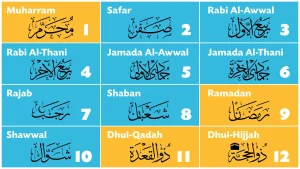
The months of the Islamic calendar are as follows:

  1. Muharram
  2. Safar
  3. Rabi’ al-Awwal
  4. Rabi’ al-Thani
  5. Jumada al-Ula
  6. Jumada al-Thani
  7. Rajab
  8. Sha’ban
  9. Ramadan
  10. Shawwal
  11. Dhu al-Qi’dah
  12. Dhu al-Hijjah

The Significance of the Islamic Calendar in Religious Observances

Ramadan

One of the most significant events in the Islamic calendar is the month of Ramadan, the ninth month, during which Muslims fast from dawn until sunset. Ramadan is a time for spiritual reflection, self-improvement, and increased devotion and worship. The end of Ramadan is marked by the celebration of Eid al-Fitr, a joyous occasion when Muslims gather for communal prayers, exchange gifts, and share meals.

Hajj

The Hajj, or pilgrimage to Mecca, is another key event in the Islamic calendar, taking place in the 12th month, Dhu al-Hijjah. It is one of the Five Pillars of Islam and is obligatory for all adult Muslims who are physically and financially able to perform it at least once in their lifetime. The Hajj culminates in the festival of Eid al-Adha, during which Muslims worldwide commemorate the willingness of Ibrahim (Abraham) to sacrifice his son as an act of obedience to God.

Other Observances

The Islamic calendar also marks other significant events, such as the birth of Prophet Muhammad (peace be upon him), known as Mawlid or Eid Milad un Nabi, which falls in the third month, Rabi’ al-Awwal. Additionally, the 10th of Muharram, Ashura, is observed by many Muslims, commemorating the day that God saved Prophet Musa (Moses) and the Israelites from Pharaoh.

The Role of the Islamic Calendar in Muslim Life

The Islamic calendar plays a crucial role in the daily lives of Muslims, guiding them in their religious observances and providing a sense of community and shared identity. It helps to maintain a connection with the historical events and teachings of Islam, ensuring that the traditions and practices are preserved and passed down through generations.

In conclusion, the Islamic calendar is not just a means of marking time; it is a guide for Muslims to live in accordance with their faith. It serves as a reminder of the importance of spiritual growth, community, and the remembrance of God. Through the observance of the Islamic calendar, Muslims around the world are united in their religious practices, regardless of the time zone or geographic location.