Rhinoplasty: The Art and Science of Nose Surgery

langerhanscellhistiocytosis.org – Rhinoplasty, commonly known as a nose job, is one of the most popular cosmetic surgeries worldwide. It combines the precision of science with the creativity of art to reshape the nose for aesthetic and functional purposes. This article explores the intricacies of rhinoplasty, from its history and techniques to the considerations and potential outcomes.

History of Rhinoplasty

The practice of nasal surgery dates back to ancient civilizations. The earliest recorded rhinoplasties were performed in India around 600 BC by the surgeon Sushruta. Over the centuries, the techniques evolved, and by the late 19th century, modern rhinoplasty began to take shape with advancements in surgical methods and anesthesia.

Techniques in Rhinoplasty

Rhinoplasty can be performed using two primary techniques:

  • Open Rhinoplasty: Involves an incision across the columella (the tissue between the nostrils) to allow greater visibility and access to the nasal structures. This method is often used for extensive reshaping.
  • Closed Rhinoplasty: All incisions are made within the nostrils, leaving no visible scars. This technique is typically used for less complex procedures.

Both techniques require a deep understanding of nasal anatomy and a meticulous approach to ensure both aesthetic and functional results.

Aesthetic and Functional Considerations

Rhinoplasty is not solely about appearance; it also addresses functional issues:

  • Aesthetic Goals: Patients may seek to change the size, shape, or proportions of their nose to enhance facial harmony. This requires an artistic eye and precise execution to achieve a natural look.
  • Functional Goals: Many rhinoplasties address breathing problems due to structural issues like a deviated septum or nasal valve collapse. Surgeons must balance aesthetic changes with maintaining or improving nasal function.

The Rhinoplasty Procedure

The procedure typically involves the following steps:

  1. Consultation: A thorough discussion of the patient’s goals, medical history, and a physical examination.
  2. Surgical Planning: Detailed planning using photographs and sometimes 3D imaging to create a tailored surgical plan.
  3. Surgery: Performed under general anesthesia, taking several hours depending on the complexity.
  4. Recovery: Initial swelling and bruising subside within weeks, but final results may take up to a year to fully manifest.

Risks and Considerations

As with any surgery, rhinoplasty carries risks such as infection, bleeding, or dissatisfaction with the results. Choosing a qualified and experienced surgeon is crucial to minimizing these risks and achieving optimal outcomes.

Conclusion

Rhinoplasty is a complex procedure that blends the precision of medical science with the artistry required to enhance facial features. Whether motivated by aesthetic desires, functional needs, or both, patients considering rhinoplasty should engage in thorough consultations and realistic expectation-setting to ensure a successful outcome.
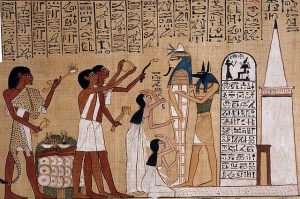
The Art of Mummification: Techniques Through the Ages

langerhanscellhistiocytosis.org – Mummification is an ancient art that has fascinated humanity for millennia. By preserving the dead, various cultures have sought to honor their beliefs, traditions, and social structures. This practice, spanning continents and centuries, reflects the diverse approaches to handling death and the afterlife. Let’s explore how mummification techniques have evolved across different civilizations and eras.

Ancient Egyptian Mummification: A Sacred Ritual

The Egyptians are perhaps the most renowned practitioners of mummification. Their elaborate methods involved removing internal organs, drying the body with natron (a type of salt), and wrapping it in linen. This process could take up to 70 days and was often accompanied by religious rituals to ensure safe passage to the afterlife. The inclusion of amulets and treasures with the mummified remains underscored the Egyptians’ belief in an existence beyond death.

Inca and Chinchorro Mummies: The South American Tradition

In South America, the practice of mummification took on unique forms. The Chinchorro people, who lived in what is now northern Chile and southern Peru, began mummifying their dead around 5000 BCE, predating the Egyptians. Their technique involved removing the skin, treating the bones, and then reconstructing the body with clay and other materials. The Incas, on the other hand, mummified rulers and nobility, often placing them in seated positions and wrapping them in textiles, to be revered as ancestors.

Asian Mummification Practices: Diverse Approaches

In Asia, mummification practices varied greatly. During the Han Dynasty in China, the elite were sometimes preserved using a method that involved lacquered coffins and jade suits, believed to protect the body from decay. Meanwhile, in Japan, some Buddhist monks practiced self-mummification, or “sokushinbutsu,” as a form of spiritual enlightenment. This involved a strict regimen of diet and meditation, culminating in the monk’s voluntary mummification.

Modern Scientific Mummification: The Intersection of Art and Science

In more recent times, mummification has intersected with science, leading to new techniques for preservation. Modern mummies, created for scientific study or medical purposes, use advanced embalming fluids and refrigeration to preserve bodies. This allows for detailed anatomical studies and forensic investigations, showcasing the blend of ancient art with contemporary science.

Conclusion

The art of mummification is a testament to humanity’s enduring curiosity about life, death, and the afterlife. Across different cultures and periods, the techniques employed reflect the values and beliefs of the societies that practiced them. As we continue to uncover and study these mummified remains, we gain deeper insights into the diverse ways humans have sought to transcend mortality, preserving their legacies for future generations.

The Rise of the UFC: The Evolution of Mixed Martial Arts

langerhanscellhistiocytosis.org – The Ultimate Fighting Championship (UFC) has come a long way since its inception in 1993. What began as a no-holds-barred tournament to determine the most effective martial art has evolved into a regulated combat sports organization that showcases the pinnacle of mixed martial arts (MMA) talent. This article explores the journey of the UFC from its controversial early days to its current status as a global sporting phenomenon.

The Birth of the UFC

The UFC was founded in 1993 by Rorion Gracie and Art Davie, with the first event held in Denver, Colorado. The concept was simple: pit fighters from different martial arts disciplines against each other in a no-holds-barred environment to see which style was superior. The event featured a variety of martial arts, including Brazilian Jiu-Jitsu, Karate, and Wrestling, among others.

Early Controversies and Growth

The early UFC events were met with significant controversy due to their brutal nature and lack of rules. The fights often resembled street brawls, leading to criticism and even bans in several states. However, the events were a hit with audiences, drawing large crowds and generating significant media attention.

The Gracie Influence

The Gracie family, particularly Royce Gracie, played a pivotal role in the early success of the UFC. Royce, a Brazilian Jiu-Jitsu practitioner, won the first UFC event and several others, demonstrating the effectiveness of ground fighting and submission techniques. This success brought Brazilian Jiu-Jitsu into the spotlight and influenced the development of MMA.

Regulation and Standardization

In the late 1990s and early 2000s, the UFC faced significant regulatory challenges. To address these issues, the organization introduced new rules and regulations, including weight classes, time limits, and protective gear. These changes helped to legitimize the sport and make it more palatable to mainstream audiences.

The Dana White Era

Dana White’s acquisition of the UFC in 2001 marked a turning point for the organization. Under his leadership, the UFC expanded its reach through strategic partnerships with major media companies, including the launch of the UFC Fight Pass streaming service. White’s marketing savvy and ability to create compelling narratives around fighters helped to grow the sport’s popularity.

Global Expansion

The UFC’s global expansion has been one of its most significant achievements. The organization now holds events in over 19 countries and has a global fan base. The introduction of international fighters and the promotion of regional talent have contributed to the sport’s worldwide appeal.

The Rise of Women’s MMA

One of the most notable developments in recent years has been the rise of women’s MMA. Initially met with skepticism, the inclusion of women’s divisions in the UFC has been a resounding success. Fighters like Ronda Rousey and Zhang Weili have become global superstars, breaking barriers and inspiring a new generation of female athletes.

The Future of MMA

As the UFC continues to evolve, the future of MMA looks bright. The sport has become more technical and strategic, with fighters cross-training in multiple disciplines to gain a competitive edge. The UFC’s commitment to innovation, including the use of performance-enhancing technology and data analytics, ensures that the sport will continue to grow and adapt.

Conclusion

The UFC’s journey from a controversial spectacle to a global sporting phenomenon is a testament to the resilience and adaptability of mixed martial arts. As the sport continues to evolve, it promises to captivate audiences with its blend of athleticism, strategy, and drama. The future of MMA is exciting, and the UFC remains at the forefront of this dynamic and ever-changing landscape.

Mastering the Art of Kitchen Creativity: The Culinary Canvas

langerhanscellhistiocytosis.org – In the realm of cooking, the kitchen is not just a place to prepare meals; it’s a canvas where culinary artists express their creativity. Mastering the art of kitchen creativity involves more than just following recipes; it’s about understanding flavors, textures, and techniques to create something unique and delicious. This article delves into the world of culinary creativity, exploring how one can transform the kitchen into a space of boundless creativity.

Understanding the Palette of Flavors

The first step in mastering kitchen creativity is to understand the palette of flavors. Just as painters mix colors to create new shades, chefs combine different flavors to craft unique taste experiences. Familiarizing oneself with the basic tastes—sweet, sour, salty, bitter, and umami—and how they interact is crucial. Experimenting with herbs, spices, and other seasonings can add depth and complexity to dishes, allowing for the creation of flavors that are both familiar and novel.

Techniques: The Brushstrokes of Cooking

Techniques are the brushstrokes of cooking, and mastering them is essential for culinary creativity. From the precision of knife skills to the art of balancing flavors through marinades and sauces, each technique adds a layer of skill and finesse to the dish. Understanding the science behind cooking methods such as braising, roasting, and sautéing can help in achieving the desired texture and taste. Experimenting with these techniques and adapting them to different ingredients is key to developing a personal culinary style.

Inspiration from Around the World

Culinary creativity often stems from exploring global cuisines. Each culture has its unique approach to food, offering a wealth of inspiration for the creative cook. By incorporating international ingredients and cooking methods, one can expand their culinary repertoire and introduce new dimensions of flavor to their dishes. Traveling, reading cookbooks, and watching cooking shows from different countries can provide endless inspiration for kitchen creativity.

Embracing Mistakes as Learning Opportunities

In the journey of culinary creativity, mistakes are not setbacks but learning opportunities. Every failed dish is a chance to understand what went wrong and how to improve. Embracing these mistakes with a positive attitude can lead to unexpected discoveries and innovations. It’s through these experiences that one truly masters the art of kitchen creativity.

Conclusion: The Journey of Culinary Creativity

Mastering the art of kitchen creativity is a lifelong journey that involves continuous learning, experimentation, and a passion for food. By understanding the palette of flavors, mastering culinary techniques, seeking inspiration from around the world, and embracing mistakes, one can transform the kitchen into a canvas of endless possibilities. The culinary artist within us all has the power to create dishes that not only satisfy the palate but also tell a story, evoke emotions, and bring people together.