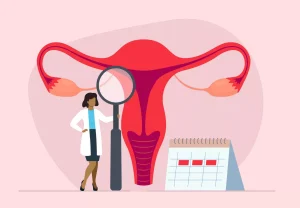
langerhanscellhistiocytosis.org – Reproductive health is a crucial aspect of overall well-being that encompasses the reproductive processes, functions, and systems in all individuals. It is essential for individuals to understand their body’s cycles to maintain reproductive health and make informed decisions about their sexual and reproductive lives. This article aims to provide a comprehensive overview of the various cycles that affect reproductive health, including the menstrual cycle, ovulation, and the hormonal changes that occur throughout these cycles.
Understanding the Menstrual Cycle
The menstrual cycle is a series of natural changes that occur in the female reproductive system that make pregnancy possible. The cycle is controlled by hormones and has several phases, each with its own set of biological events. The average menstrual cycle lasts about 28 days, but it can range from 21 to 35 days in adults and may be longer in young people who have just started menstruating.
The Phases of the Menstrual Cycle
- Menstruation: The first day of bleeding marks the beginning of the menstrual cycle. During this phase, the lining of the uterus is shed through bleeding.
- Follicular Phase: After menstruation, the follicle-stimulating hormone (FSH) triggers the growth of a few follicles in the ovaries, each containing an egg.
- Ovulation: Around the middle of the cycle, luteinizing hormone (LH) causes the release of an egg from the follicle. This is the time when pregnancy can occur.
- Luteal Phase: After ovulation, the remaining parts of the follicle form the corpus luteum, which produces progesterone to prepare the uterus for pregnancy.
Ovulation: The Key to Fertility
Ovulation is the release of an egg from the ovary and is the most critical phase of the menstrual cycle in terms of fertility. Understanding when ovulation occurs is essential for those trying to conceive or avoid pregnancy. Ovulation usually happens around the 14th day of a 28-day cycle, but the timing can vary. Signs of ovulation include a slight increase in body temperature, changes in cervical mucus, and mittelschmerz (a mild abdominal pain).
Hormonal Changes Throughout the Cycle
The menstrual cycle is regulated by a complex interplay of hormones produced by the hypothalamus, pituitary gland, and ovaries. These hormones include:
- Follicle-Stimulating Hormone (FSH): Stimulates the growth of follicles in the ovaries.
- Luteinizing Hormone (LH): Triggers ovulation.
- Estrogen: Produced by the follicles, it thickens the lining of the uterus and influences secondary sexual characteristics.
- Progesterone: Produced after ovulation, it prepares the uterus for pregnancy and helps maintain it.
Maintaining Reproductive Health
Understanding your body’s cycles is the first step in maintaining reproductive health. Here are some additional tips to ensure a healthy reproductive system:
- Regular Check-ups: Visit a healthcare provider for regular check-ups and screenings.
- Healthy Lifestyle: Maintain a balanced diet, exercise regularly, and avoid smoking and excessive alcohol consumption.
- Contraception: Use contraception to prevent unwanted pregnancies and protect against sexually transmitted infections (STIs).
- Education: Stay informed about reproductive health issues and seek reliable sources of information.
Conclusion
Reproductive health is an essential component of overall health and well-being. By understanding the intricacies of your body’s cycles, you can make informed decisions about your reproductive life and seek appropriate care when needed. Remember, every individual’s body is unique, and what works for one person may not work for another. Always consult with a healthcare provider for personalized advice and treatment.